Wet chemical cleaning that removes particles and non-volatile residue from disk media and semiconductor wafers
When your product depends on having clean, particle-free surfaces, wet chemical cleaning can be the best method for removing unwanted contaminants. This can also include methods for damage-free rinsing, agitation, and drying. AIR has a long history of providing full wet clean and drying systems to both the hard disk drive and semiconductor markets, to both OEMs looking to sell the equipment as their own, and end users in their factories or fabs.
Capabilities
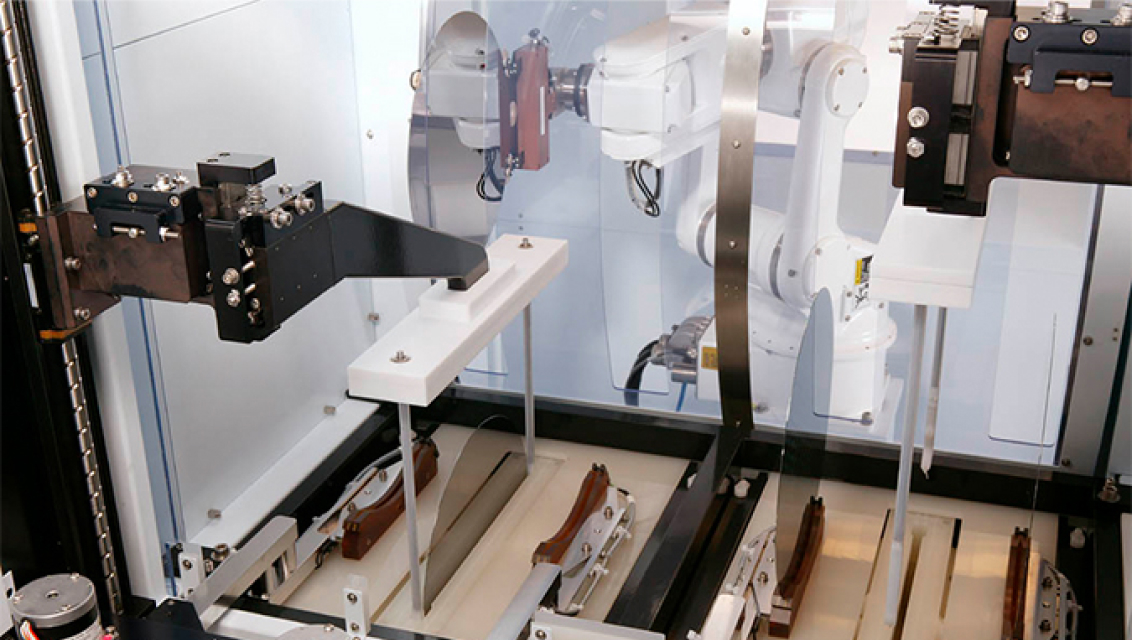
Integrating high-purity fluid handling, dispense, agitation, and drying into a single dry-in-dry-out system
AIR has experience in both batch and single wafer wet clean, from 1-inch hard disk media up to 300mm film frames. We have integrated several agitation methods as well as drying technologies. While AIR does not develop a chemical process for you, we can take your chemistry and process recipe and design a system to safely run it continuously. We have experience with component selection for various wet clean requirements:
- Batch and single substrate
- Hard disk, DVD, wafers (200mm, 300mm), film frames, reticles
- Immersion, quick dump rinse (QDR), spray, PVA brush, ultrasonic, megasonic, spin dry, Marangoni dry
- Room temperature, heated chemistry, single pass, recirculated
- Material compatibility: PP, PVC, CPVC, PVDF, PTFE, PFA, ECTFE (halar), quartz
- FM4910/UL 2360 compliance
- Selection of high purity valves, pumps, filters, tubing, fittings, sensors
Approach
Know what’s needed to avoid overdesigning
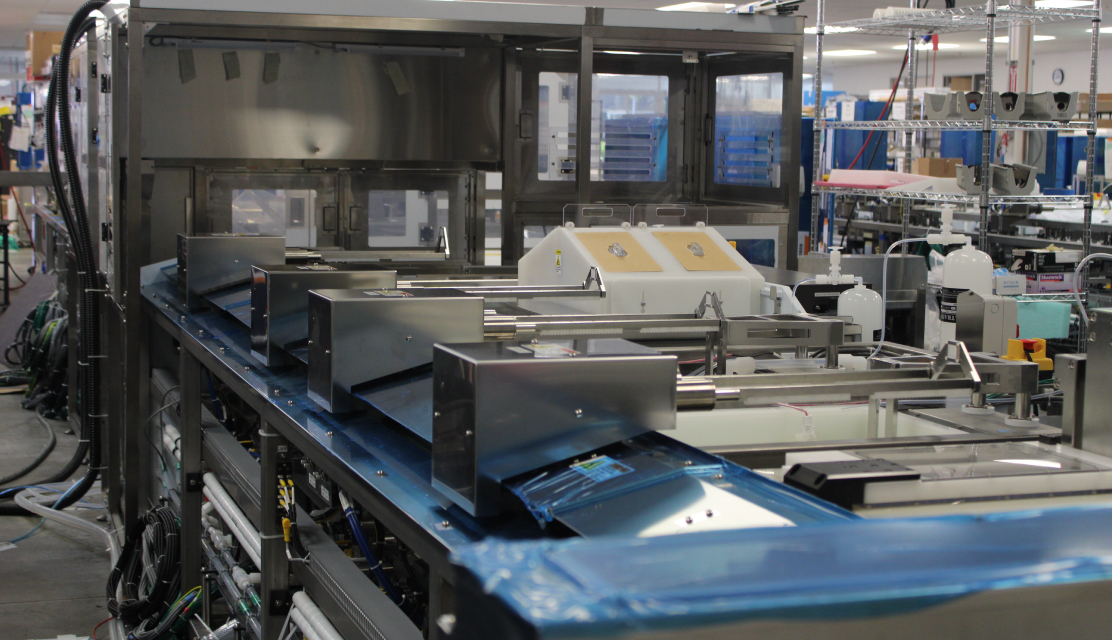
While AIR understands how to implement high-purity fluid-delivery components, such as PFA valves, filters, pumps, and tubing, not every application requires ultimate purity or chemical resistance. Our engineers can help guide you through the selection process based on the chemistries needed and processes for your substrates. These are a few critical parameters that influence the system design:
- Batch or single substrate
- Takt
- Drop off/pick up method
- Chemistries within one process
- Temperature of chemistries/water
- Process time, pressure, flow rates
- Agitation method
- Drying method
For heated chemistries, we will help you identify the most cost-effective option. For example, this may mean lowering the process
temperature by a few degrees to allow the use of the next size down in-line chemical heater, or avoiding the need for additional thermal shielding to meet safety requirements.
Impact
Significantly reduce cost through understanding process needs
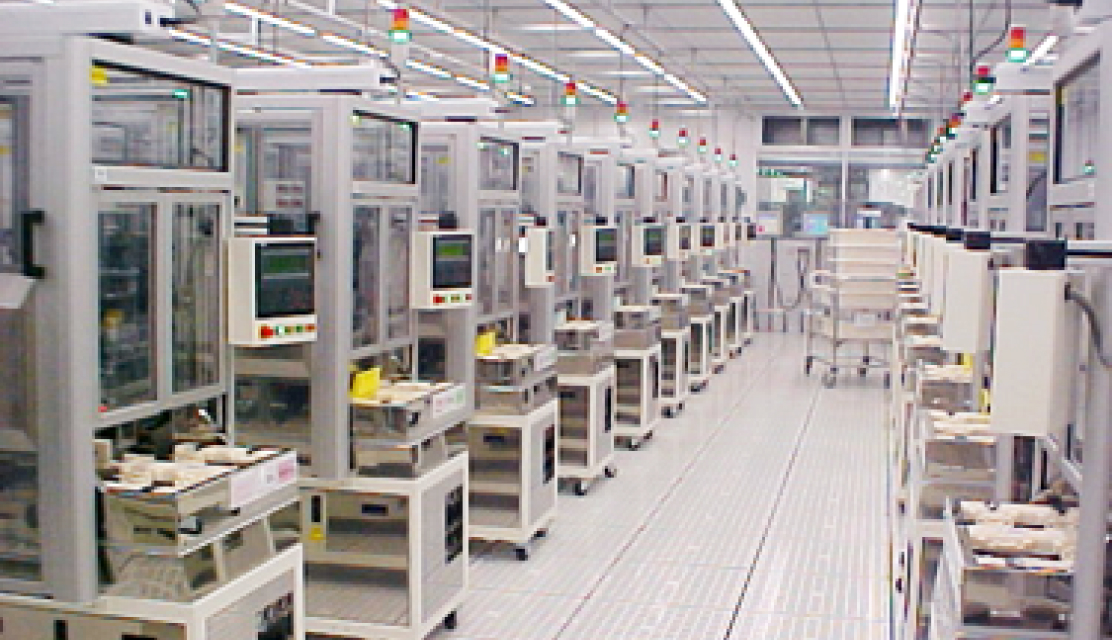
In some cases a 90% decrease in material cost can be achieved by a small change in chemistry or purity requirement, leading to much cheaper tubing, valves, etc. Or for heated chemistries, required temperature and flow can dictate if a separate high voltage line is required on the system, leading to increased electrical facilities costs.
Case studies
The final drying step in HDD media manufacturing used a patented Marangoni process, which requires passing disks through an IPA-based drying interface. Automating this step demanded precise batch handling…
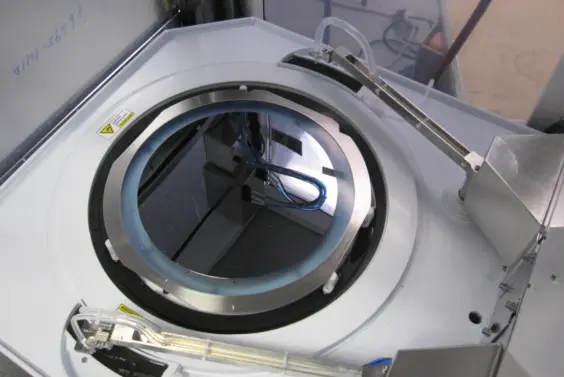
A tier 1 semiconductor OEM needed a custom solution for precise spin coating, cleaning and drying of a special liquid on a wafer mounted on a film frame to enable a downstream process. There were no off-the-shelf…
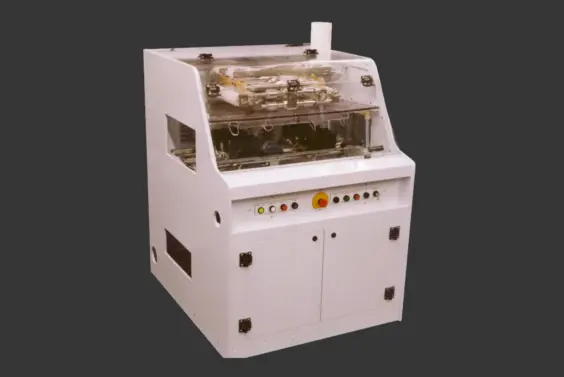
A major HDD manufacturer needed to improve the reliability and cleanliness of their media scrubber modules without replacing the entire cleanline. Existing automation dropped disks frequently, had low…