Precision-engineered robotic clip and snap assembly — faster, safer, and verifiably correct on every cycle
Clipping and snapping are among the most repetitive and ergonomically demanding tasks in manual assembly — and among the most common sources of field failures when done inconsistently. AIR’s automated clipping and snapping systems replace manual effort with controlled, repeatable robotic assembly, applying precise insertion force profiles to every clip and snap joint while verifying full engagement through integrated force monitoring and vision. The result is a process that’s faster than manual, kinder to your workforce, and far more reliable in quality — at any production volume.
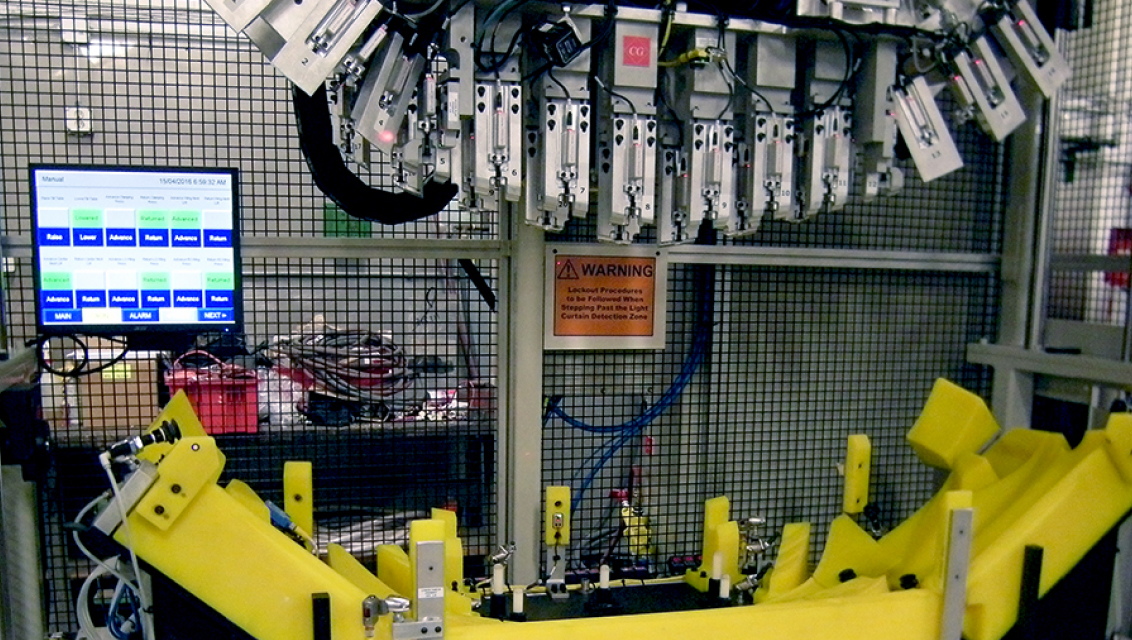
Capabilities
Addressing a wide range of clipping and snapping challenges
AIR brings deep expertise in automated clip and snap assembly across medical devices, automotive interiors, consumer electronics, and other precision assembly sectors. Our systems address challenges including:
- High-speed clip and snap assembly for regulated medical, automotive, and consumer product applications
- Flexible robotic cells capable of handling multiple clip types, snap configurations, and product variants
- Integrated force-displacement monitoring to confirm correct seating and engagement on every cycle
- Vision-based verification to detect mis-seats, missing clips, and partial snap engagement in-process
- Press-to-fit automation with force profiles in the 50–2,000 N range and ±0.2–0.5 mm seating depth control
- Fast cycle times of 1–2 seconds per clip, supporting high-throughput production lines
- Cleanroom-compatible designs for medical and regulated manufacturing environments
- Poka-yoke controls and serialized quality data capture for full traceability and MES integration
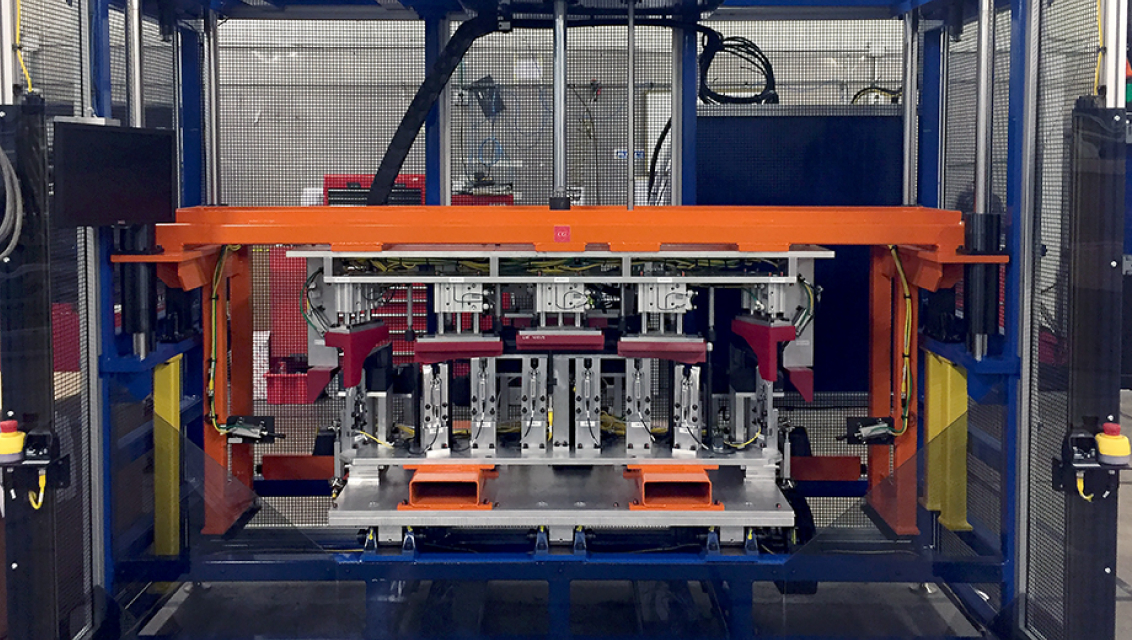
Approach
Development of the ideal clipping and snapping system begins with a thorough investigation
AIR’s multisector, cross-functional expertise — combined with close customer collaboration — delivers world-class clip and snap assembly systems. We approach clipping and snapping as a critical, end-to-end assembly process rather than a standalone station, thoroughly examining every aspect of the component, joint geometry, and production environment to develop the most optimal solution. For clipping, we offer both dedicated clip machines optimized for high-volume, single-product lines and flexible robotic systems capable of handling multiple clip types within a shared cell. Snapping applications are engineered with controlled insertion force profiles that prevent part damage while ensuring full engagement every time. Our approach features:
- Open, agile, early-stage explorations of the clip and snap joint requirements, tolerances, and failure modes
- Detailed examination of upstream and downstream assembly processes to ensure seamless integration
- Thorough review of component materials — ABS, PP, TPO, and others — and their effect on insertion force and tooling wear
- Assembly of the best-fit, cross-functional AIR team, drawing on robotics, tooling, controls, and quality expertise
- Delivery of an initial proof-of-concept when required, including force-displacement validation
- Building and maintaining close, collaborative relationships with your engineering and quality teams throughout
- Factory acceptance testing, installation, commissioning, and full lifecycle support
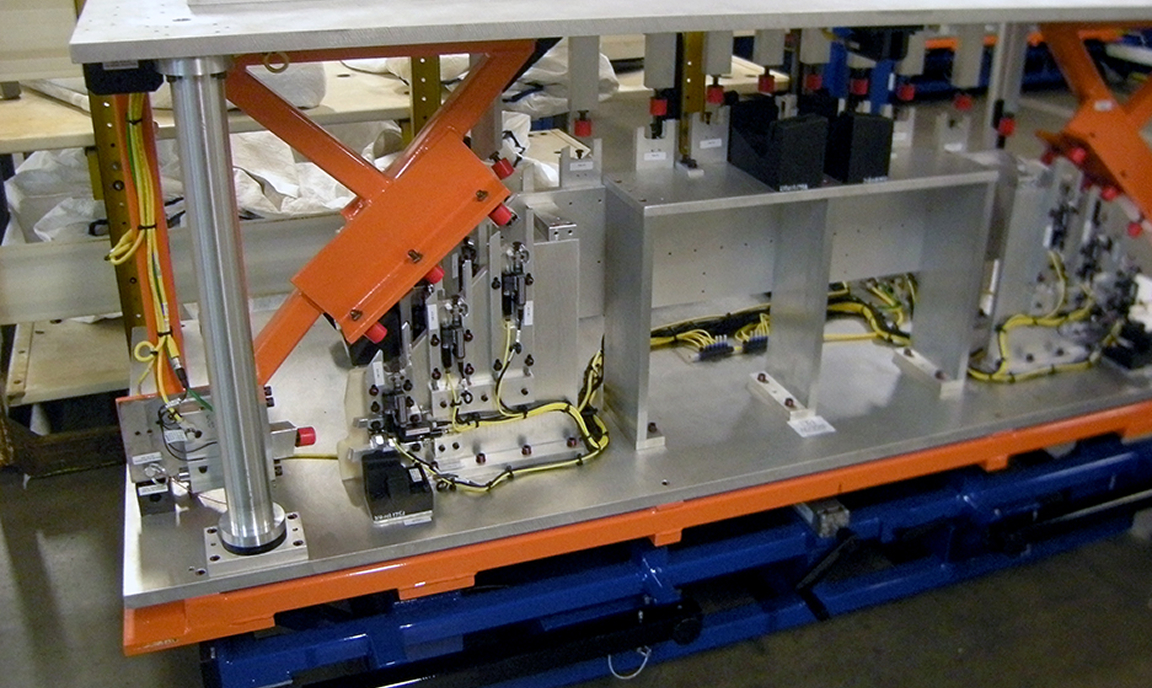
Impact
Eliminating mis-seats, protecting workers, and accelerating throughput
AIR’s clipping and snapping systems are designed to deliver clear operational outcomes, including:
- Accurate, repeatable clip and snap assembly at production speeds, with 1–2-second cycle times per joint
- In-process detection of mis-seats, missing clips, and partial engagements—defects never reach the customer
- Elimination of ergonomic risk from repetitive manual clipping, reducing hand and wrist strain injuries
- Reduced scrap and rework through force-displacement window monitoring and vision verification
- Faster assembly with fewer fasteners — robotic clip and snap automation removes the need for screws in many applications, cutting both cycle time and component cost
- Full serialized quality data capture, including press curves, OK/NOK status, and serial numbers, for traceability and continuous improvement
- Scalable system architecture supporting future product variants and volume growth
- Cleanroom-compatible and validation-ready designs suitable for regulated manufacturing environments
Case studies
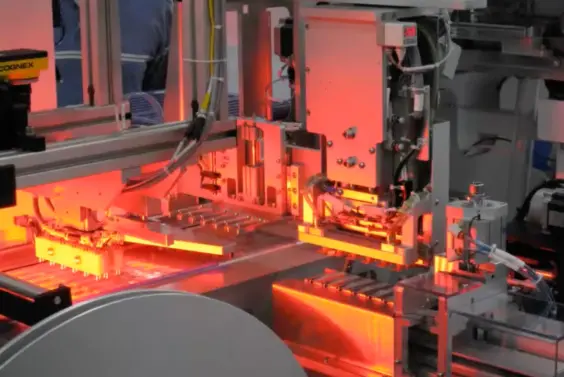
The CTO of a large thin film solar manufacturer wanted to reduce the cost of a critical electrical component by a factor of 10. The company lacked time and internal resources to validate and implement…