Automated robotic welding systems built for precision, throughput, and full process control
AIR designs and integrates robotic ultrasonic welding systems engineered around your part geometry, material stack, and production environment—not adapted from a generic template. Every engagement covers the full lifecycle, from application design through commissioning and long-term support, with Industry 4.0 control and diagnostics built in as standard. The result is real-time visibility into weld quality and process consistency, and a system that keeps performing at specification long after go-live.
Capabilities
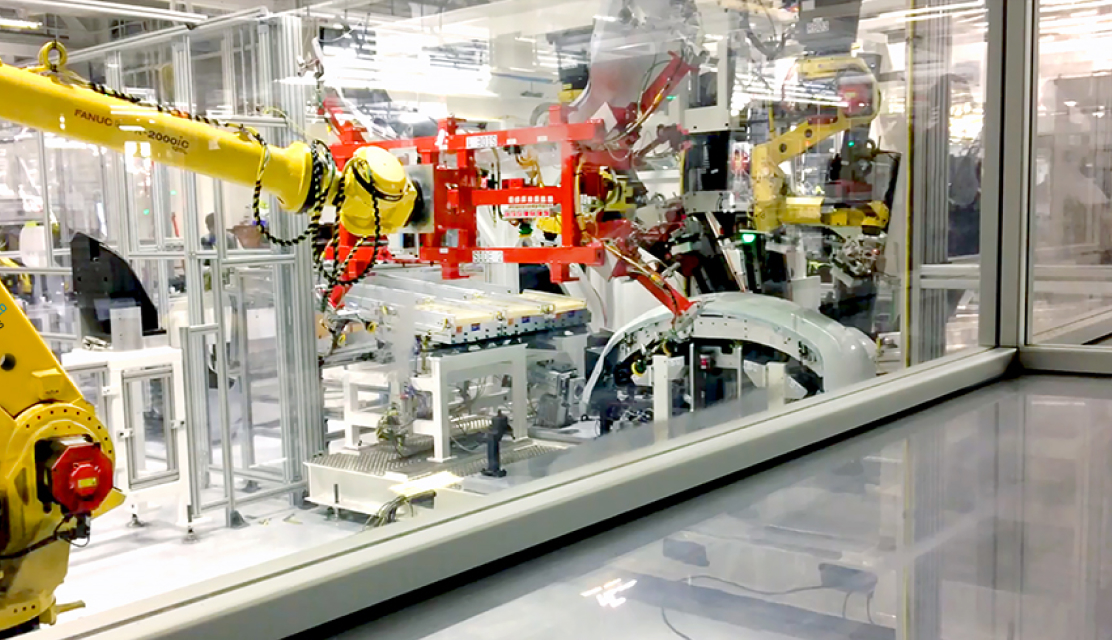
Automated robotic ultrasonic welding systems for high-throughput thermoplastic assembly
AIR integrates multi-point ultrasonic welding into automated lines where joint consistency, cycle time, and data integrity are non-negotiable—engineered around the part, the material, and the production environment.
- TechnologyUltrasonic welding
- Variant/modeMulti-point
- Typical process parametersCustom horn, parallel welds, load/energy control
- Sensors and QA controlsPart presence, horn contact, force, amplitude, power, time/energy, weld collapse, temp (optional)
- Data capturedWeld energy, peak power, weld time, collapse/height, OK/NOK, serial #
- Integration pointsPLC I/O, EPI, MES/QIS lot link, barcode/2D code scan
- Preventive maintenance focusHorn wear, booster cracks, actuator alignment, anvil wear, filter cleaning
- Common materialsABS, PP, PC/ABS, PA6, POM, films, nonwovens
- Accuracy/toleranceTypical: ±0.05–0.20 mm joint
- Cycle time/taktTypical: 0.5–3.0 s per weld site, 6–12 s for multi-point
- Cleanroom compatibilityYes, with enclosure and extraction
- Validation/standardsTypical: IQ/OQ/PQ validation protocols, SOPs, equipment calibration records
- Primary KPIsPPH, scrap %, rework rate, weld energy Cpk, OEE
- ROI LeversShorter cycles, lower scrap, reduced fixtures, quick changeover
Use cases
Plastics/injection molding/consumer products: Snap fits, enclosures, fascia tabs, living hinge welds, insert capture
Medical devices: Clean, particle-minimized bonds for housings, fluid paths, sterile barrier components
Aerospace: Lightweight interior panels, ducts, bezels, composite sub-assemblies
Approach
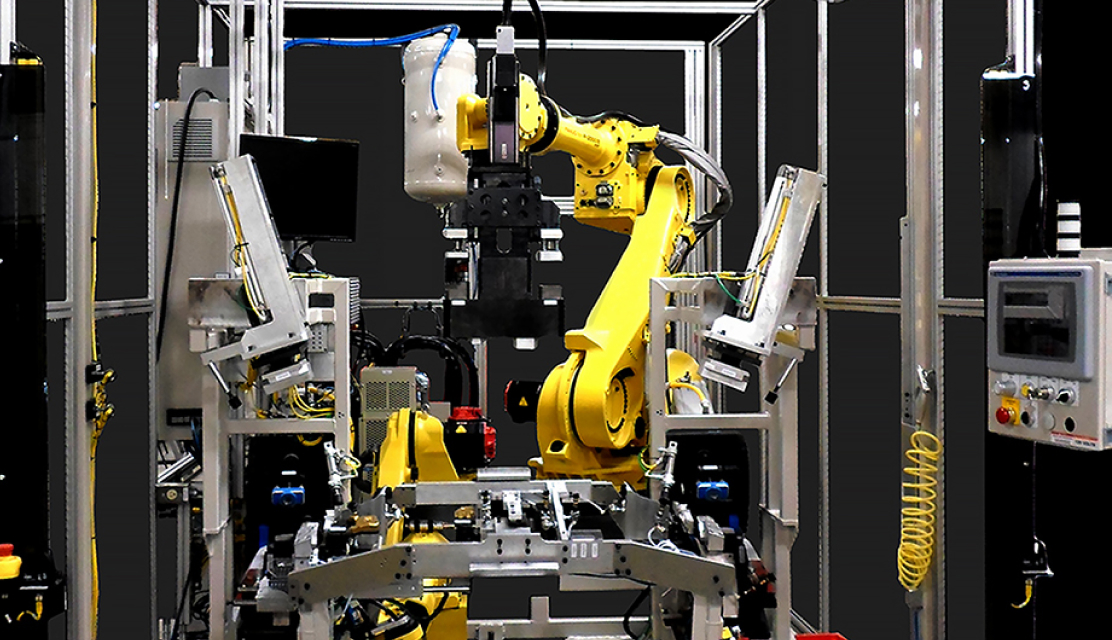
Engineering-led integration: from application design to long-term optimization
AIR’s approach to automated robotic welding is grounded in the TA Sonics platform — one of the most advanced ultrasonic welding programs in the automotive industry. We offer:
- Full lifecycle ownership modelBeginning with proper application design and tooling development and continuing through commissioning, support, and optimization.
- Flexible systemsEngineered as both stand-alone ultrasonic cells and fully integrated assembly solutions.
- Ability to monitorEvery system is designed with Industry 4.0 control and diagnostic elements, giving you real-time visibility into weld quality, energy output, and process consistency.
- Long-term support from AIREnsuring you achieve the lowest possible cost of ownership and maintain peak system performance.
Impact
Improved repeatability, faster cycles, lower total cost of ownership
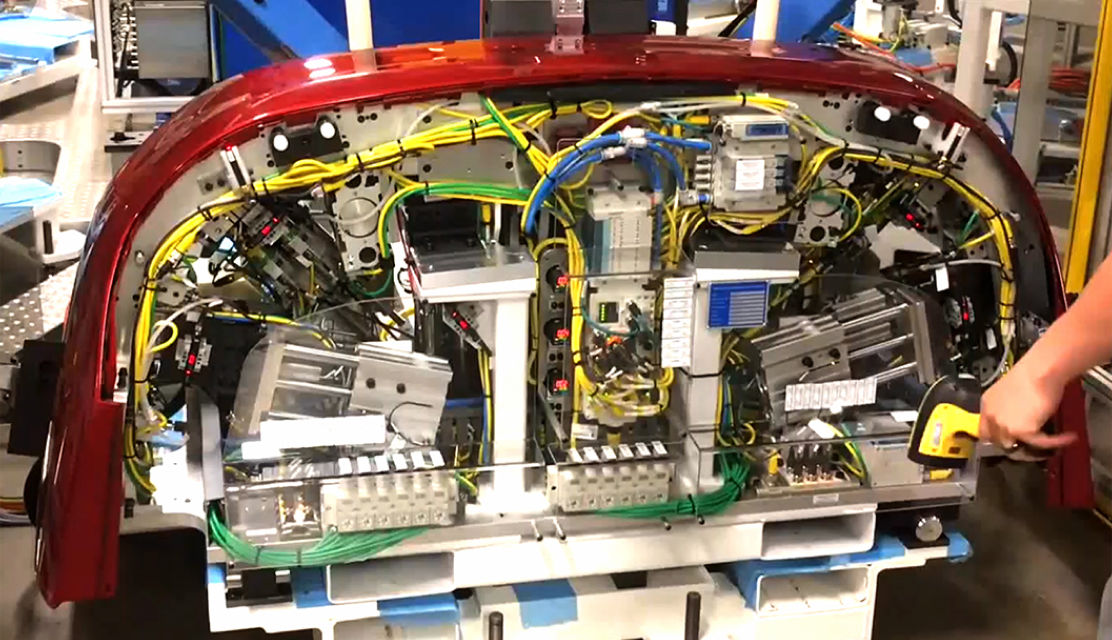
Automated robotic sonic welding from AIR provides many benefits for manufacturers:
- Clean, fast and highly repeatable joining process that replaces adhesives, fasteners, and manual bonding
- Eliminated cure times
- Reduced material costs
- Dramatically improved bond integrity
- Tighter tolerances thanks to the precision of ultrasonic energy
- More consistent joint strength across every part and cycle
- Fewer warranty claims and stronger end-product performance (for automotive customers assembling plastic interior and exterior components)
Case studies
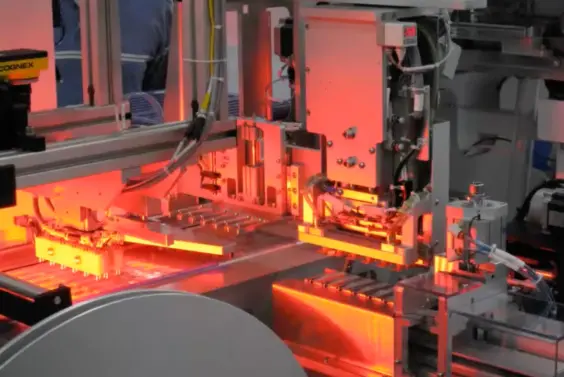
The CTO of a large thin film solar manufacturer wanted to reduce the cost of a critical electrical component by a factor of 10. The company lacked time and internal resources to validate and implement…