Controlled, traceable robotic screwdriving — precise torque on every fastener, every cycle
Manual screwdriving is a common sources of assembly defects — stripped threads, under-driven fasteners, and missed screws that only surface as warranty returns. AIR’s robotic screwdriving systems replace manual fastening with torque-angle controlled automation that verifies every fastening event in-process, captures full quality data, and integrates seamlessly into your production line or MES. The result is faster assembly, fewer defects, and complete traceability from day one.
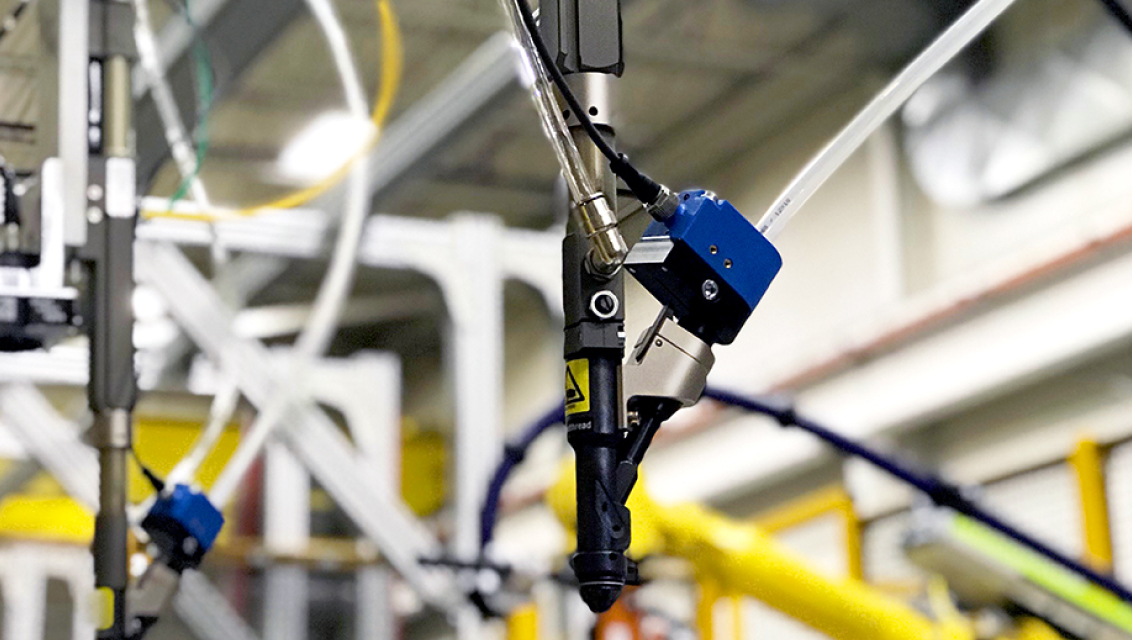
Capabilities
Addressing a wide range of screwdriving challenges
AIR brings extensive experience integrating robotic screwdriving into automated assembly lines across multiple sectors and product types. Our systems address challenges including:
- Torque-angle controlled fastening across a range of 0.1–10 Nm, with angle windowing to ±5° and torque accuracy of ±10%
- Cycle times of 1–4 seconds per fastener, supporting high-throughput production
- Flexible systems accommodating varying screw types, sizes, and access angles across product variants
- Integrated torque transducer and angle encoder monitoring to verify every fastening event
- Full data capture per fastener — torque, angle, rundown time, OK/NOK status, and serial number — for traceability and MES integration
- Standalone dedicated screwdriving machines and multi-process robotic cells
- Serial and parallel production flow configurations
- Cleanroom-compatible designs with low-particle generation for regulated manufacturing environments
- Validation-ready systems supported by SOPs, torque studies, and calibration protocols
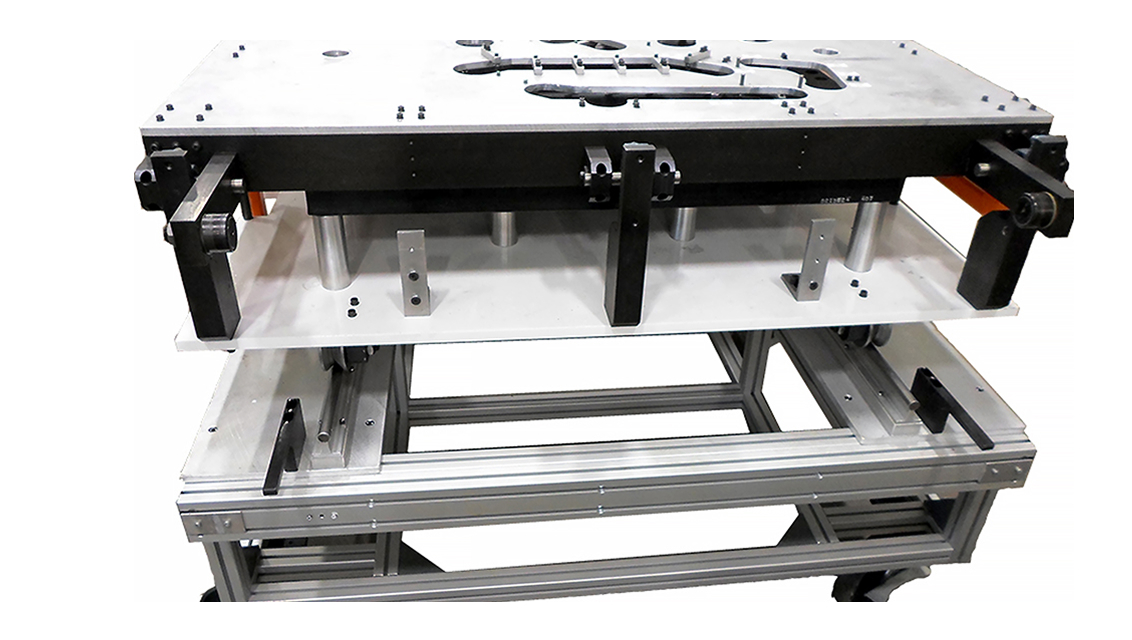
Approach
Development of the ideal screwdriving system begins with a thorough investigation
AIR’s multisector expertise, combined with close customer collaboration, delivers world-class screwdriving systems. We approach screwdriving as a critical, end-to-end assembly process rather than a standalone machine, examining every aspect of the fastener, joint, and production environment to develop the most optimal solution. Our approach features:
- Open, agile, early-stage explorations of fastener types, torque requirements, access geometry, and production flow
- Detailed examination of upstream and downstream processes to ensure seamless integration
- Thorough review of materials — metals and plastics with inserts — and their effect on torque behavior and tooling wear
- Assembly of the best-fit, cross-functional AIR team across robotics, tooling, controls, and quality
- Delivery of an initial proof-of-concept when required, including torque studies and process validation
- Building and maintaining close, collaborative relationships with your engineering and quality teams throughout
- Factory acceptance testing, installation, commissioning, and full lifecycle support
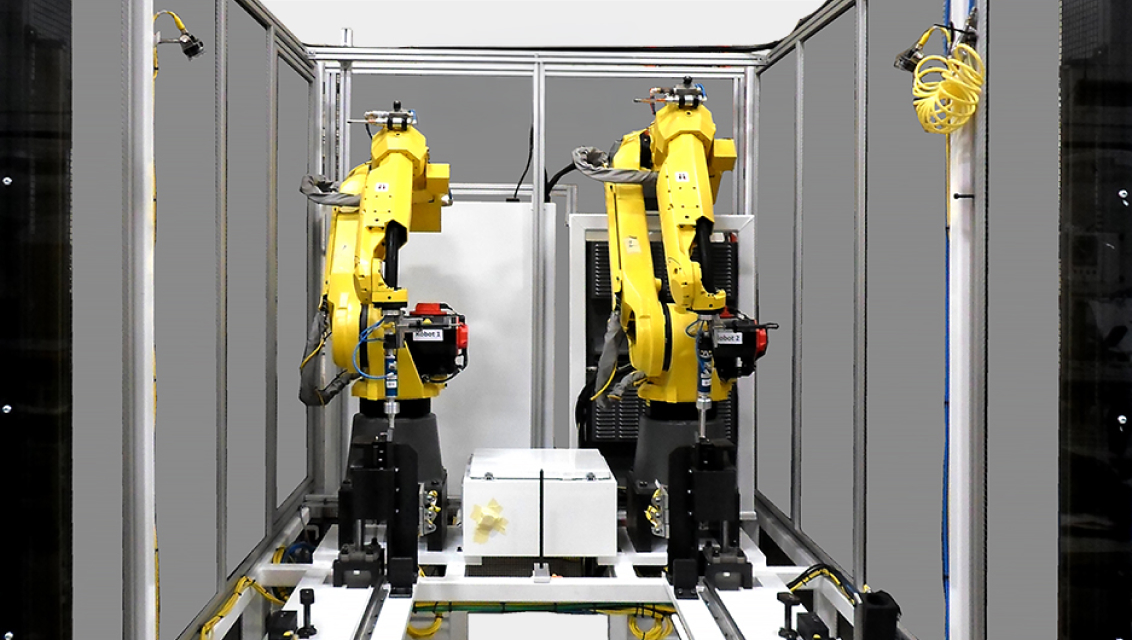
Impact
Eliminating fastening defects, reducing rework, and building in traceability
AIR’s screwdriving systems are designed to deliver clear operational outcomes, including:
- Consistent, repeatable torque-angle controlled fastening on every cycle, eliminating stripped threads, missed screws, and under-driven fasteners
- Reduced rework and warranty exposure through in-process verification rather than end-of-line inspection
- Full per-fastener traceability — torque, angle, rundown time, and serial number — increasingly required by customers
- Elimination of ergonomic risk from repetitive manual fastening, freeing skilled workers for higher-value tasks
- Improved first-pass yield and reduced scrap driving a strong return on investment over equipment life
- Scalable configurations supporting future product variants and volume growth
- Cleanroom-compatible, validation-ready designs suitable for regulated manufacturing environments
Case studies
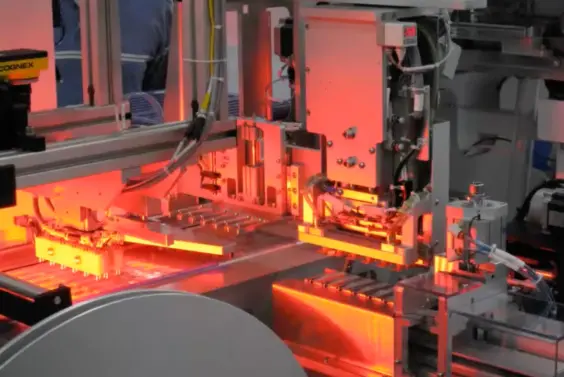
The CTO of a large thin film solar manufacturer wanted to reduce the cost of a critical electrical component by a factor of 10. The company lacked time and internal resources to validate and implement…