Precision-engineered automated edge wrapping — consistent tension, clean finishes, and cosmetic quality at production speed
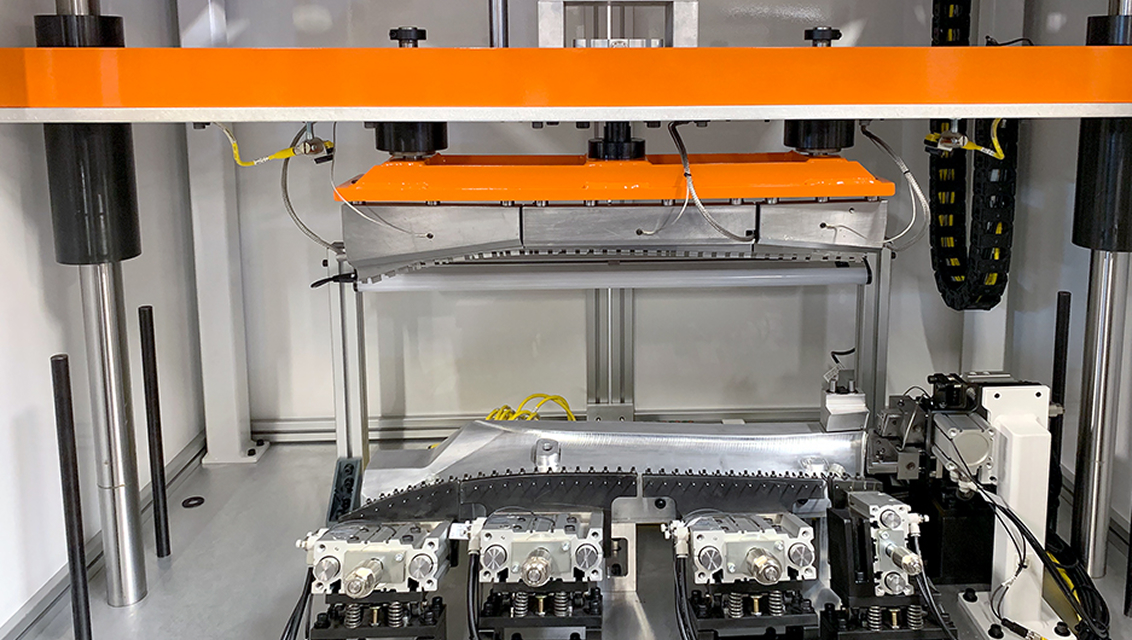
Achieving a consistently clean, defect-free wrapped edge is one of the most demanding challenges in automotive interior trim manufacture. Manual wrapping is slow, variable, and impossible to sustain at volume without scrap and rework. AIR’s edge wrapping systems bring purpose-built automation to complex contoured surfaces — delivering precise material placement, consistent tension control, and reliable adhesion on every cycle, with in-process verification to catch defects before parts move downstream.
Capabilities
Addressing a wide range of edge wrapping challenges
AIR brings focused expertise in automated material edge wrapping for automotive interior trim and related applications. Our systems address challenges including:
- Precise material wrapping around component edges for a clean, finished appearance across complex contoured surfaces
- Multi-axis trim capability to handle demanding geometry and surface profiles
- Paired adhesive application integrated within the same wrapping process
- Press lamination systems with heated upper tooling for consistent material conformance
- Manual workstation and automated press-based solutions to suit different production volumes and facility requirements
- Applications including automotive door panels, pillars, and instrument panels
Approach
Development of the ideal edge wrapping system begins with a thorough investigation
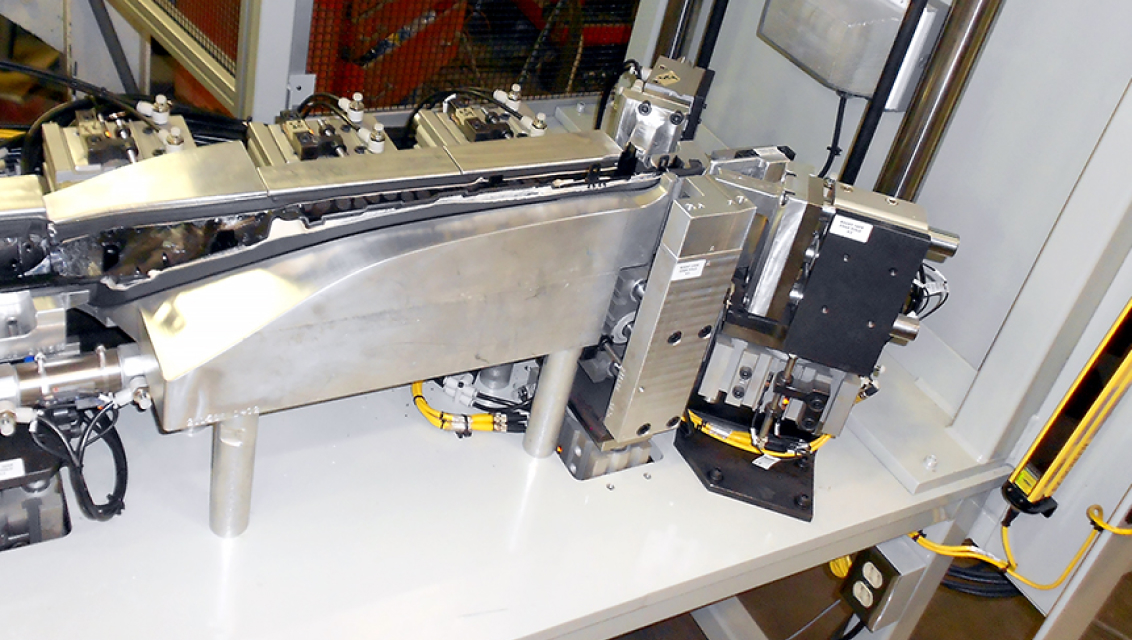
AIR’s purpose-built edge wrapping automation is designed to handle the demands of complex contoured surfaces found in automotive trim, interior panels, and exterior components. We approach edge wrapping as a critical, end-to-end production process rather than a standalone machine, examining every aspect of the substrate, material, and geometry to develop the most optimal solution. Our approach features:
- Open, agile, early-stage exploration of substrate type, wrapping material, geometry, and adhesive requirements
- Detailed examination of upstream and downstream processes to ensure seamless integration into broader assembly cells or dedicated wrapping stations
- Tailored system design to the specific material type, surface contour, and production volume of each application
- Assembly of the best-fit, cross-functional AIR team across automation, tooling, controls, and quality
- Integration of vision systems and process monitoring to verify wrap quality in real time
- Delivery of an initial proof of concept when required
- Building and maintaining close, collaborative relationships with your engineering and quality teams throughout
- Factory acceptance testing, installation, commissioning, and full lifecycle support
Impact
Eliminating cosmetic defects, reducing rework, and meeting OEM appearance standards
AIR’s edge wrapping systems are designed to deliver clear operational outcomes, including:
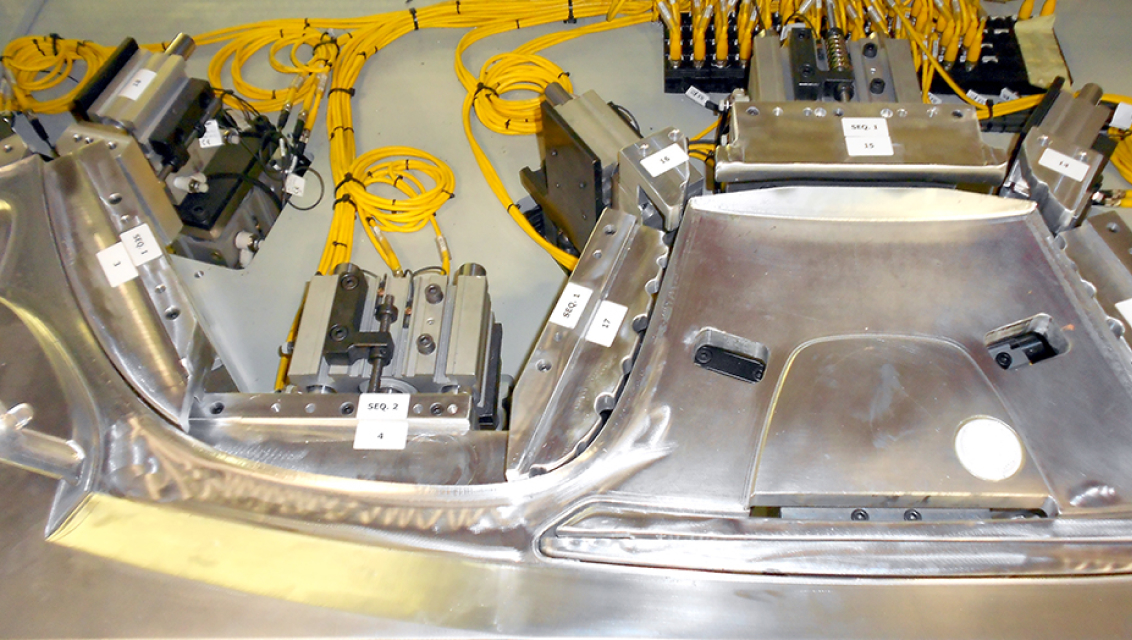
- Consistent, repeatable material placement and tension control on every cycle, eliminating lifting edges, air pockets, and inconsistent wrap quality
- Immediate reductions in scrap and rework tied to the most common failure points in hand-wrapped production
- Compressed cycle times and increased throughput versus manual wrapping processes
- Finished surfaces meeting the premium appearance standards required by OEM customers
- Improvement in per-unit cost over time through reduced material waste and lower labor hours
- Consistent quality ratings from customer audits supported by the repeatability of the automated process
- Scalable solutions available as dedicated wrapping stations or integrated into broader assembly cells
Case studies
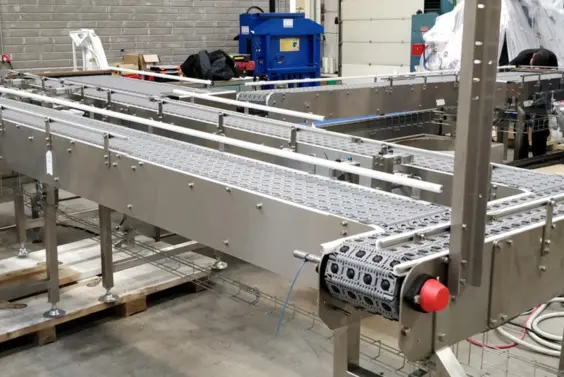
The aim of this project was to implement new technologies to improve the efficiency and simplify the palletizing process of boxed product. One challenge was to achieve the end goal but still minimize the…
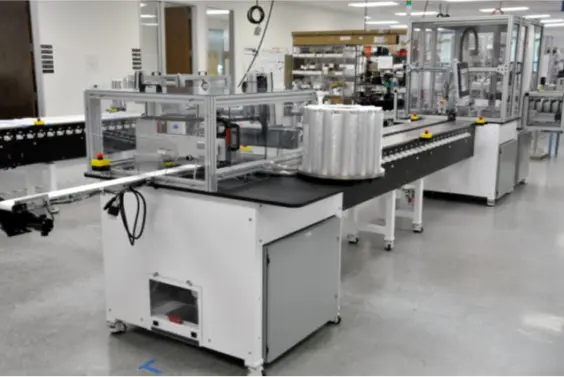
A medical device diagnostic manufacturer needed to rapidly replicate an in-house designed manufacturing tool to support a production ramp-up. The tool included multiple control systems and needed to be…
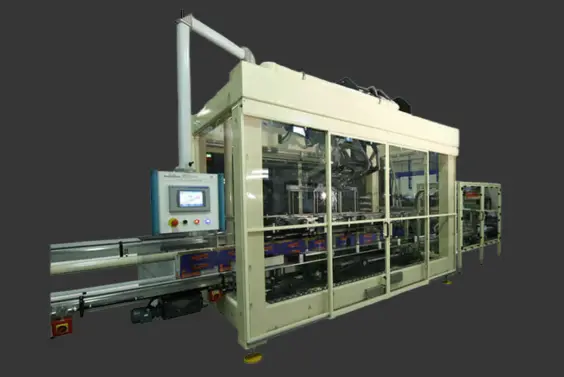
A producer in the bakery industry producing biscuits for retail required a robust automated packaging solution capable of handling demanding, high-volume production requirements. The system needed to deliver…