Tea bag automation that helps you keep up with demand
AIR brings engineering depth, hands-on experience, and long-term commitment to keep your tea bag operation running at its best — whether that means building something entirely new, breathing life back into aging equipment, or integrating your existing machines into a smarter, more efficient line. We’ve worked with some of the world’s most demanding beverage manufacturers. We understand what this environment asks of a machine, and of the people who support it.
Capabilities
New builds, refurbishments, and everything in between
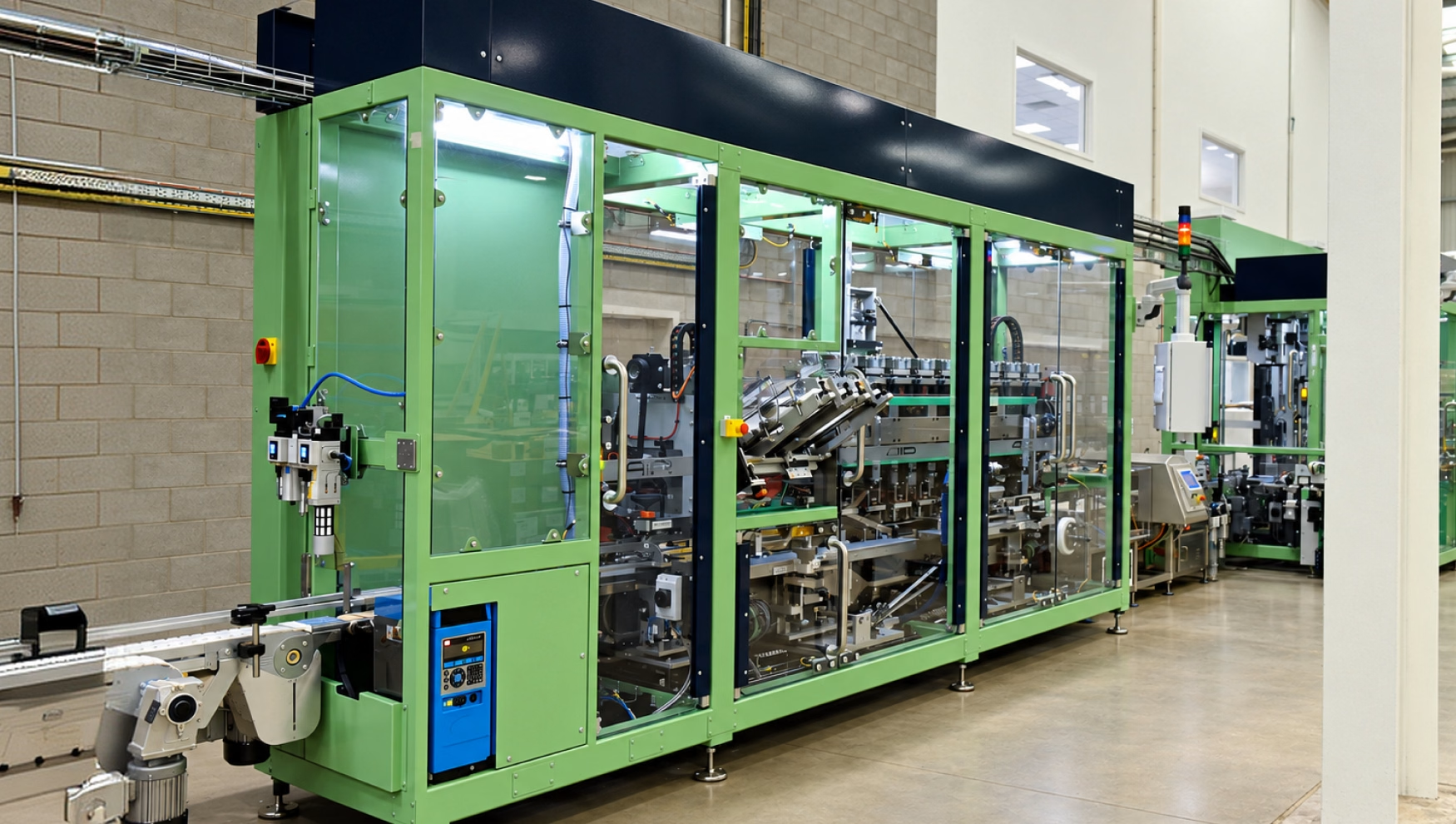
Our capability spans the full spectrum of tea bag machine engineering — from custom-designed processing and packaging systems built to exact specifications, to the mechanical and electrical overhaul of machines that have been running for decades. Whatever your line needs, we have the skills to deliver it.
- Custom tea bag processing systemsDesigned and built from the ground up to match your product, format, and throughput requirements.
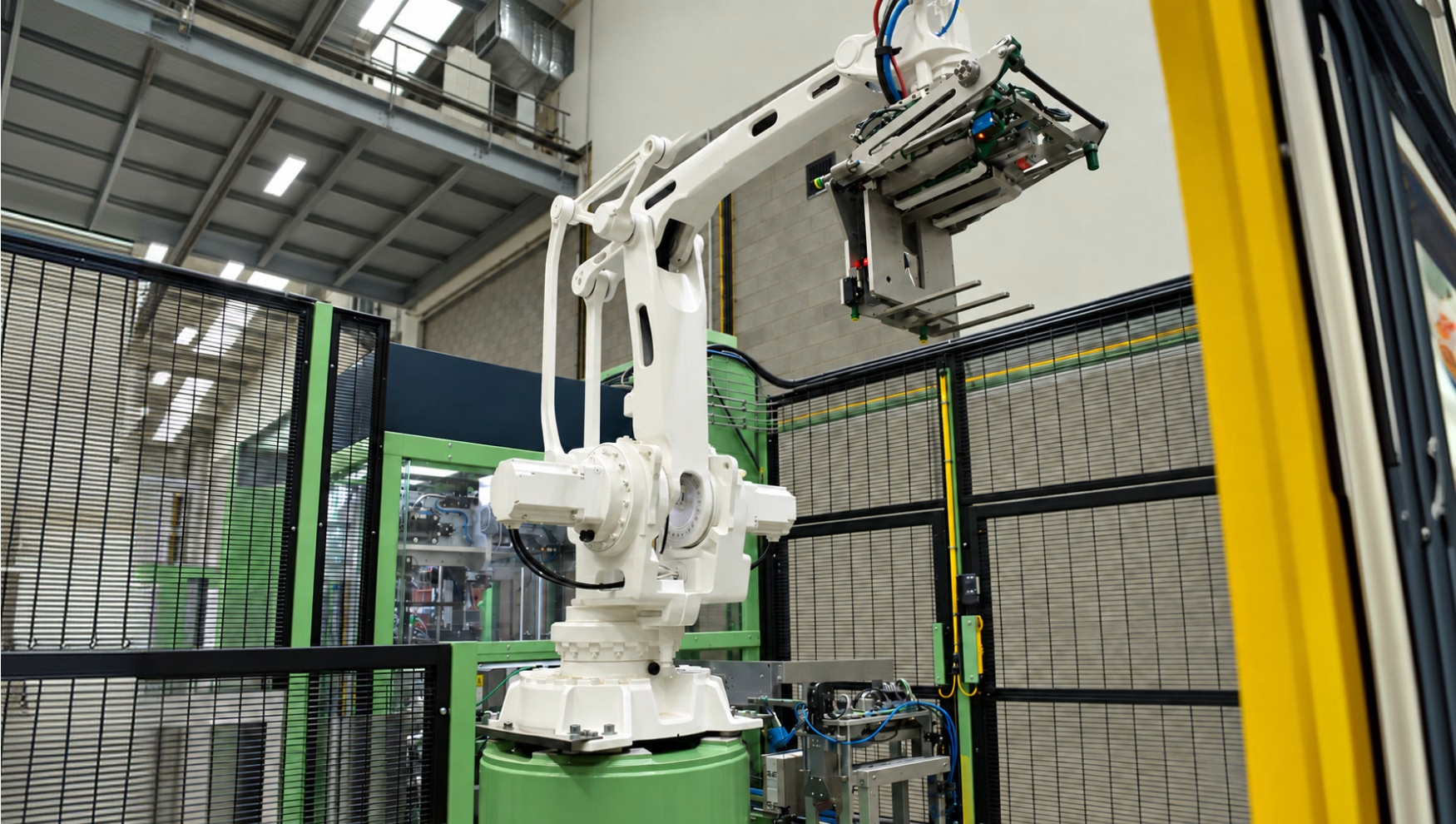
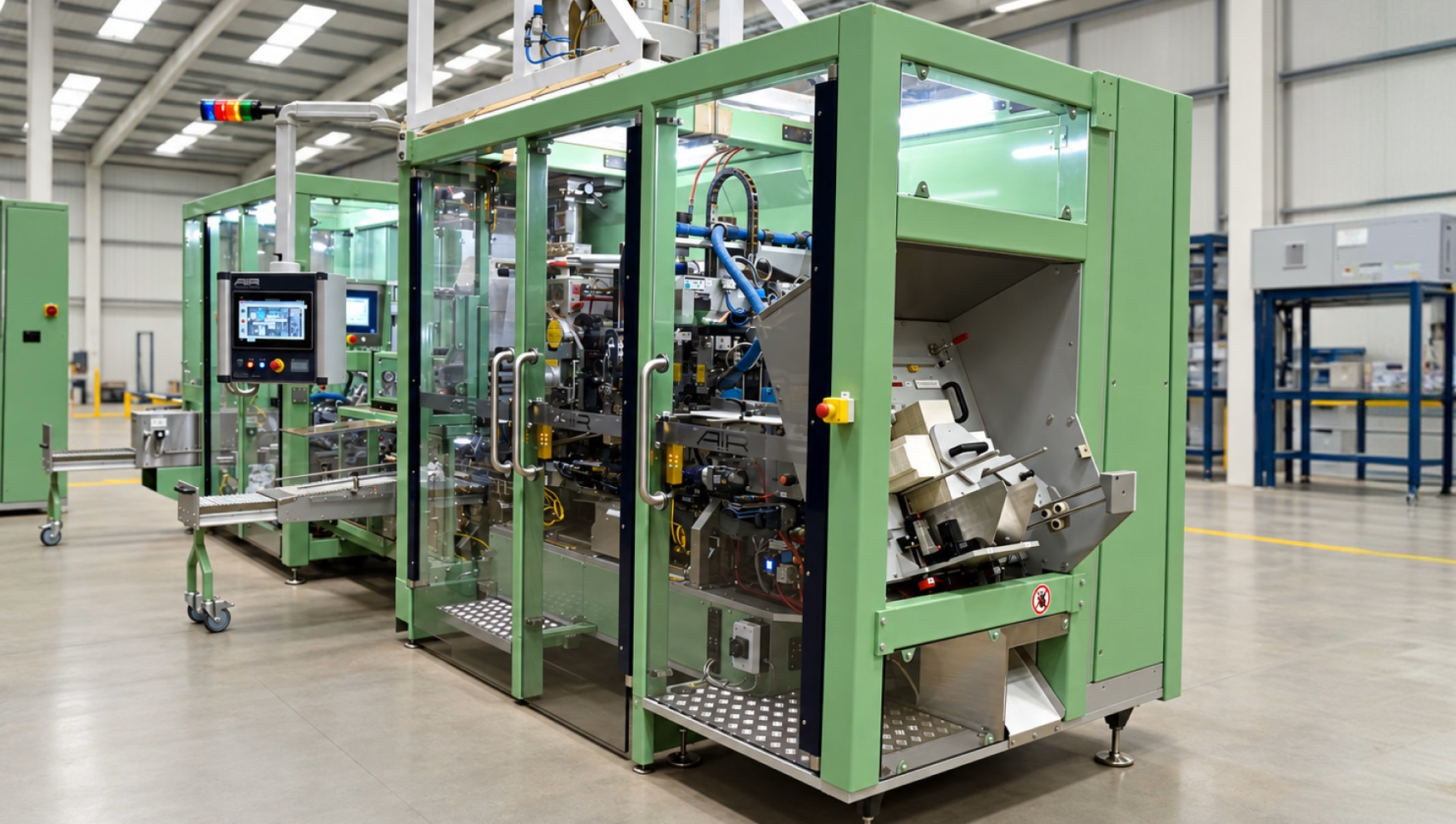
- Secondary packaging machine designAutomated carton erecting, filling, and packing systems capable of handling multiple carton styles and pack sizes.
- Full machine refurbishmentMechanical strip-down, cleaning, repainting, parts and assembly replacement, and full recommissioning of existing tea bag making machines.
- Third-party machine upgradesWe work on equipment regardless of original manufacturer, including IMA C50/C51 and C24 tea bag machines.
- Controls and software replacementFull electrical controls upgrades and new software installations to replace obsolete systems and eliminate reliability risk.
- CE and UKCA re-markingRefurbished machines are fully recommissioned and re-certified to current compliance standards.
- Buffer storage integrationSystems designed to store production and reintroduce product during normal operation, protecting upstream throughput from downstream stoppages.
- Multi-format handlingSystems configured to accommodate different carton styles, pack sizes, and loading formats with minimal changeover requirements.
- Complete line integrationWe connect processing, packaging, and handling into one cohesive, efficient production line.
Approach
Deep expertise and experience, and an end-to-end approach
We start by understanding your operation fully — your machines, your volumes, your constraints, and your goals. From there, we work with you to determine the most effective path forward, whether that’s a new build, a targeted upgrade, or a full refurbishment. We’re transparent about what’s worth doing and what isn’t, and we stay involved from assessment through to commissioning and beyond.
- Free, no-obligation equipment assessmentWe evaluate your existing machines and give you a clear, honest picture of what’s possible and what makes commercial sense.
- Bespoke engineering from the outsetEvery system is designed around your specific requirements, not adapted from a standard template.
- Engineers working alongside your teamWe don’t disappear after handover. Our engineers work closely with yours throughout design, build, installation, and commissioning.
- Obsolescence managementWe proactively identify aging components and control systems, and replace them before they become a production risk.
- Proof-of-principle methodologyWhere needed, we test and validate approaches early to identify risks before they become problems on the line.
- Competitive rates for OEM refurbishmentsWe offer refurbishment services to other OEMs as well as end users, with transparent pricing and reliable turnaround.
- Hands-on commissioning supportWe remain on-site until the system is running to specification and your team is fully confident operating it.
- Ongoing support after go-liveOur relationship doesn’t end at installation. We provide continued support to keep your line performing as it should.
Impact
Measurable improvements to tea bag production performance, equipment reliability, and operating costs
The right automation investment pays back in ways that show up clearly in your production data—and in the reduced pressure on your engineering team. Whether you’re recovering throughput lost to aging equipment, bringing a new product format to market, or future-proofing a line that’s been running on borrowed time, the outcomes are real and quantifiable.
- Improved overall equipment effectiveness (OEE)Faster throughput, fewer unplanned stoppages, and better quality output all contribute directly to measurable OEE gains.
- Lower cost than buying newRefurbishing and upgrading existing equipment is a significantly more cost-effective route than full machine replacement, without sacrificing performance.
- Eliminated obsolescence riskUpdated control systems and replaced components remove the vulnerabilities that cause unexpected downtime on older lines.
- Higher and more consistent pack speedsAutomated systems maintain precise, repeatable speeds that manual or semi-automated lines simply can’t match across a full shift.
- Multi-format flexibility without production penaltiesThe ability to switch between carton styles and pack sizes quickly keeps your line responsive to retailer and market demands.
- New products brought to market fasterBespoke systems designed around your product specification mean you’re not waiting on off-the-shelf solutions that need adapting.
- Reduced pressure on your engineering teamReliable, well-supported systems mean your people spend less time firefighting and more time on planned improvement.
- Compliance confidenceRe-certified machines give you the assurance that your equipment meets current regulatory standards, removing a risk that often sits quietly in the background on older lines.
Case studies
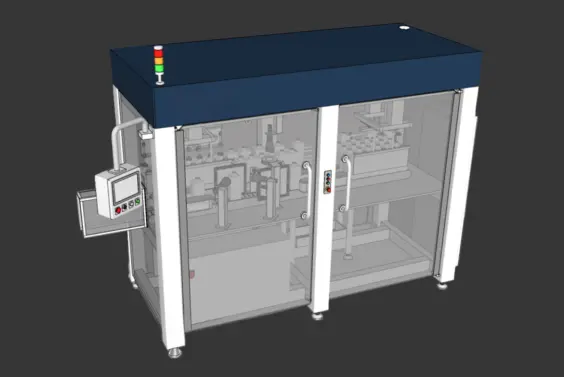
TATA wanted to launch a range of specialty teas to complement their traditional Tetley Tea line. Their existing tea bag making machine could mix loose tea but could not form or package the bags to meet…

The customer’s existing teabag machines, installed in the 1950s/60s, had become obsolete and could not support future production or factory growth. They needed a solution that would prolong the life…
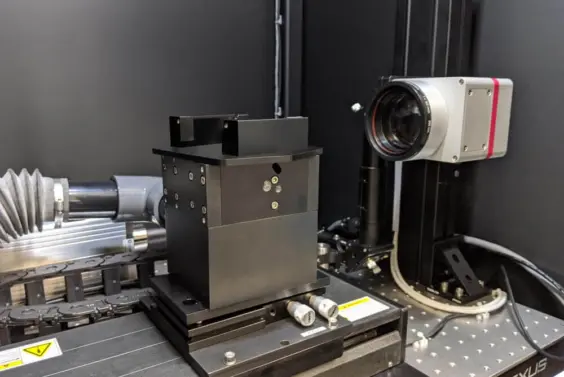
The customer required precise laser ablation of polymer and metallic components that were sensitive to thermal and oxidative degradation. They struggled to develop a laser process that could meet tight…