The ROI of pharmacy automation: How to justify the investment
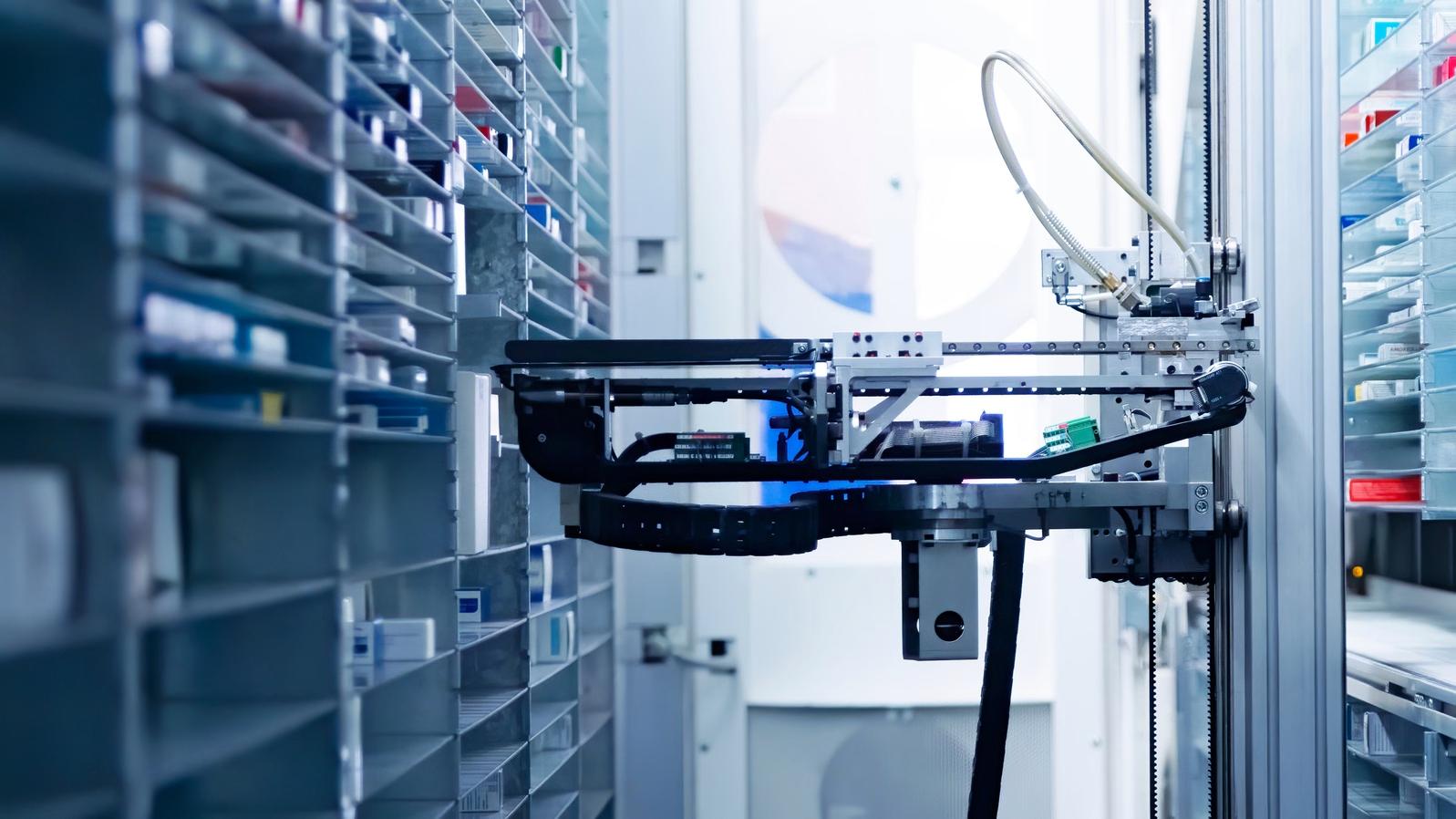
The entire pharmaceutical industry is under growing pressure to comply with tightening regulations while keeping an eye on efficiency and net-zero targets. As a result, many are turning to pharmacy automation as a long-term solution. But even if the benefits of automation are clear, owners and managers will want to know how they can justify the initial investment.
Understanding the return on investment (ROI) of automation systems is helpful for pharmaceutical companies as it gives them the ability to make data-driven decisions. This article will explore the financial benefits ofpharmacy automation solutionsand provide practical guidance on calculating ROI.
Financial benefits of pharmacy automation
Using traditional methods, pharmaceutical manufacturing is becoming more and more expensive. Key drivers of rising costs from traditional methods include;
- Overproduction: Manufacturers had to stockpile goods in case demand increased. If the demand increase didn’t materialise, then the cost of producing the extra product was needless.
- Waste: High waste led to an increase in costs for raw materials, energy and packaging.
- Manual intervention: The traditional methods relied on a larger workforce, with high costs for labour.
- Efficiency: A low efficiency opens up the opportunity for a streamlined process. An efficient process is usually cost-effective.
Pharmacy automation solutionsaim to solve these problems. Below are some of the key areas where automation generates substantial ROI.
Reduced labour costs
Automated systems, such as thePACE system, can deliver the production, packaging, and labelling of multiple drugs in a single facility. All repetitive and time-consuming tasks are carried out by PACE (Pharmacy Automationfor Clinical Efficiency), which reduces the wage bill of the pharmaceutical manufacturing company.
In addition to this, a web-based interface for QPs to review verified data from each process step and authorise drug batch releases is available. Traditional systems collected this data manually, which was often very time-consuming and contained inaccuracies.
Increased labelling accuracy and reduced risk of errors
Human error during the pharmaceutical manufacturing process poses all kinds of problems for the business, including potential risks for patients. An issue relating to the safety of patients can result in hefty fines. Other minor accuracy problems and errors can result in a high amount of waste.

Pharmacy automationdrastically improves accuracy. Automated in-line & camera-verified label printing is one of the many ways of reducing labelling mistakes. This reduces error-related costs and supports compliance with UK healthcare standards and regulations without hindering the speed or efficiency of the process. In fact, speed and efficiency levels improve.
Faster prescription processing
Speed is becoming more important in the pharmaceutical industry as demand increases across the board. The PACE system is designed to increase the speed of every stage of the process by bringing filling, weighing, verification, labelling and packaging into one continuous, automated flow. By removing manual handovers and reducing bottlenecks, PACE enables manufacturers to process prescriptions and clinical batches far more quickly and consistently.
Minimising human errors
Human error remains one of the most significant risks in pharmaceutical production, especially within manual or partially automated processes. PACE minimises this risk through integrated camera systems and real-time data at every stage of the process. Each bottle is automatically verified, weighed and labelled, ensuring errors are corrected before they progress downstream. A lack of errors means the chances of repeating the process are drastically reduced, saving energy, raw materials and time.
Factors to consider when calculating the ROI ofpharmacy automation
When calculating the ROI ofpharmacy automation, companies need to look at three key areas to highlight the immediate and long-term financial impact of the original investment.
Operational savings
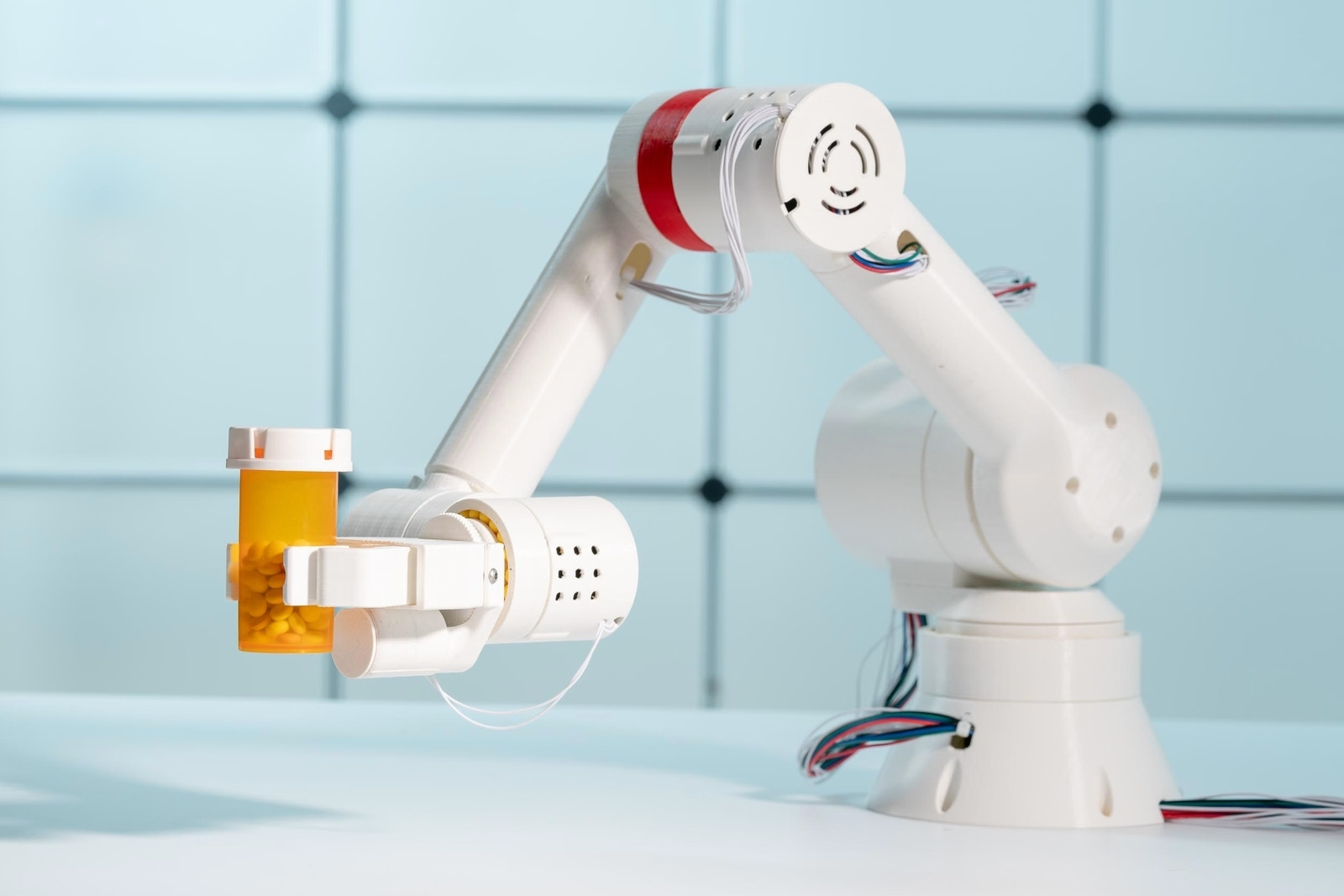
The PACE system has been designed to reduce manual labour as it can automate tasks such as filling, weighing, sealing, and labelling. With multiple drug types processed on one line in a GMP environment, the risk of rework costs from errors is reduced. Stock can be managed more efficiently because each bottle passes through inline verification and has full traceability. This means fewer rejects and less waste. Over time, these savings add up.
Revenue growth
PACEhas the ability to handle multiple types of medication in one facility, so operations can increase. This, in turn, increases productivity, which results in more opportunities to generate income from one system.
Long-term performance
The PACE platform is designed for scalability. It’s possible to increase bottle hopper capacity, filling stations and storage without redesigning the system. This means there won’t be significant costs to upgrade or change the system if required.
As well as delivering strong ROI, the PACE system will contribute to wider sustainability goals and regulation compliance. To learn more about how PACE and Sewtec’s wider automation capabilities can strengthen your long-term strategy,speak to our experts today.

Related news & insights

The conversation among manufacturers has moved on from, “should we automate?” to “how do we automate?” Darragh de Stonndún, CEO of Automated Industrial Robotics, says there’s a right and a wrong...
You might have heard of build-to-print manufacturing. Here’s a comprehensive guide on what it is, when to use it, and how it differs from build to spec.
An innovative single-line platform to significantly reduce time-to-market for new medicines