How industrial automation specialists are shaping the future of clinical trials

With our fast-paced society and medical innovations surfacing on a daily basis, it’s safe to say that clinical trials have become more time-sensitive and are probably not as straightforward as they used to be. Regulatory frameworks are becoming more water-tight (as they should be), and medical professionals need to become more efficient than ever. Cue industrial automation specialists.
This article explores how industrial automation is shaping the future of clinical trials and clinical trial automation, and paving the way for more effective, cost-efficient drug development.
Challenges faced by the clinical trials industry
It’s fair to say that the clinical trials industry is not without its challenges; inefficient supply chains, the overproduction of medicines and wasted excess stock needing to be destroyed or reworked, to name but a few.
This waste can cost companies between £10 and £100 million annually. Running a clinical trial for a new drug can exceed £75 million, yet only 25% of drugs ultimately reach commercial production. With this in mind, adopting a made-to-order approach could save drug manufacturers tens of millions of pounds each year.
This is where automation comes in. The rising demand for personalised therapies and small-volume products is intensifying in order to achieve this made-to-order approach. Clinical trial automation can bring more flexible and digitally supported supply solutions to the table.
Industrial automation in clinical trials
Today, industrial automation specialists are revolutionising the clinical trial industry with a range of technologies designed to improve efficiency and accuracy across various stages of the process. Let’s explore a few of the most significant.

Automated data collection
When data collection is entered manually, it can lead to human error and, in turn, inconsistencies. Clinical trial automation allows data to be captured accurately and without delay and fed into central databases, allowing up-to-date information to be accessed at any given moment. Now, the likelihood of errors is reduced on a massive scale, and the overall process is more efficient and streamlined.
AI-driven patient monitoring
Before, patients would need to be monitored manually, and with this, the possibility of missing vital health metrics was prominent. Now, however, AI systems are able to continuously track patient health metrics, eliminating human errors and predicting potential issues before they arise. These technologies provide valuable insights that enable clinical teams to intervene quickly and make informed decisions based on real-time data, improving patient safety and trial outcomes.
Medical device assembly automation
Automation plays an important role in clinical trials where medical devices need assembling. With the use of AI, medical devices can now be put together in a quicker amount of time and with more proficiency. Medical devices are now readily available in time for the clinical trial, preventing any further unnecessary delays.
Track & Trace systems
The rise in artificial intelligence also paves the way for Track & Trace systems, eliminating the possibility of counterfeit medical products entering the supply chain and ensuring that all drugs and devices are accounted for. We now have an efficient way of reducing the risk of lost or expired materials being used, too.
Enhancing efficiency and compliance with clinical trial automation
Clinical trial automation has enabled clinical trials to be as compliant as possible, resulting in the integrity of these trials being maintained. So, not only are clinical trials now extremely efficient, but they’re also extremely accurate, building trust in investors and clinical trial patients alike.
Simple processes, such as data collection, material tracking and data collection, are now streamlined, which inevitably reduces the time it takes for clinical trials to be conducted. The time previously needed for administrative tasks can now be used for the actual clinical trial, resulting in quicker results and allowing new treatments to be readily available in a shorter amount of time.
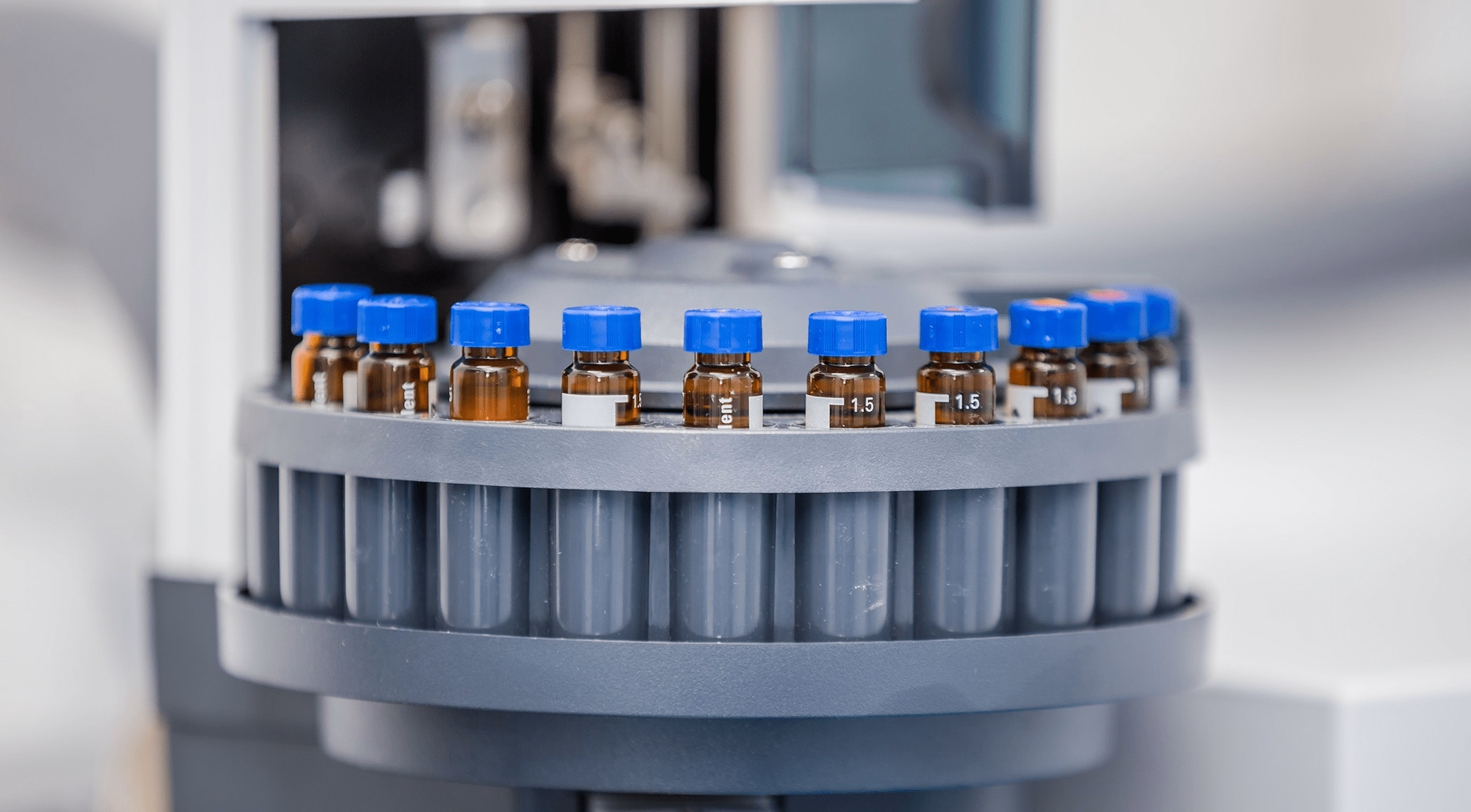
Clinical trials must adhere to extremely strict guidelines, and failing to do so can lead to delays, fines or even the cancellation of a trial. Clinical trial automation allows for improved regulatory compliance.
Many of the efficiencies come down to minimising human error. When data is being handled manually, human error is more or less an unavoidable risk in clinical trials. But clinical trial automation offers a solution to this problem as systems are now able to run without fatigue, and human error becomes minimal. Also, the quality of the data produced by these clinical trials is high and, therefore, more reliable. When regulatory reviews are due, these clinical trials are safeguarded by AI, and the benefits are easy to prove to regulatory bodies.
Lastly, we are now able to minimise any waste due to overproduction because of clinical trial automation. Medical professionals are now able to see inventory levels in real time, which helps to ensure that the right amount of materials is available when needed. Now, costs are reduced, and excess inventory is prevented because of clinical trial automation.
PACE – shaping the future of clinical trials
Encompassing all of the above is PACE, a digitally-enabled, automated packaging line designed to fill tablets and capsules with precise amounts of drug compounds. PACE delivers the production, packaging and labelling of multiple drugs in the same facility with complete traceability and without the risk of cross-contamination, meeting the needs and helping to eliminate the challenges currently faced by the industry. It all takes place on a single line in a GMP environment with real-time quality checks, resulting in less waste, risk and cost while maximising speed to patients.
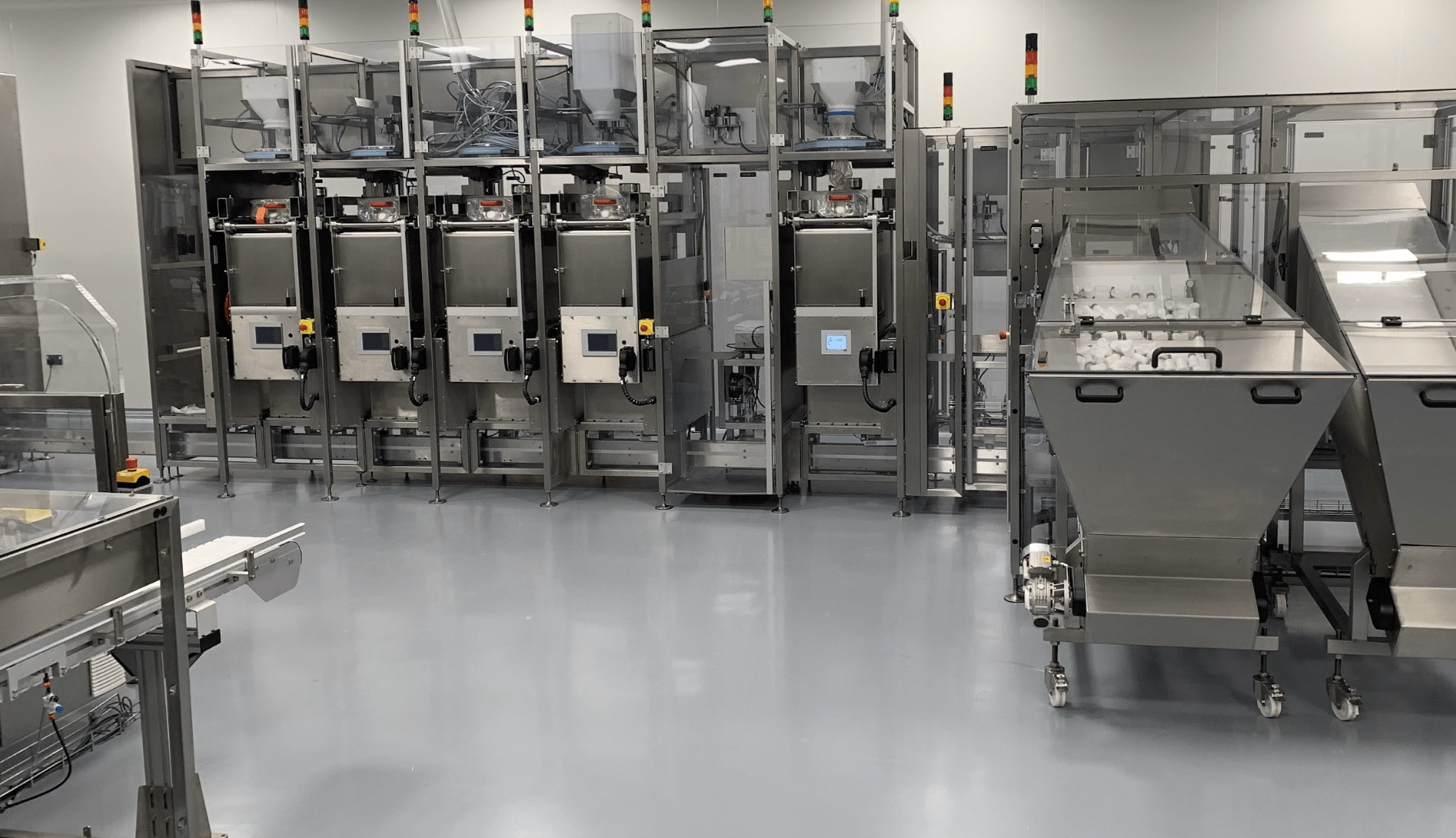
Each packed bottle is sealed and labelled with a custom barcode for quick identification before distribution to patients. Additionally, a real-time Qualified Person (QP) release dashboard speeds up decision-making for legal certification, allowing for faster batch reviews and Just-In-Time GMP certification. This innovative approach to digitisation is paving the way for future supply chains, with modular ‘factory-in-a-box’ solutions.
This disruptive technology is making waves in creating a more agile and responsible supply chain to quickly bring new medicines to the market.
Andy Perks, AIR Wakefield’s Sales Director, commented, “PACE is an exciting development in the pharmaceutical process and packaging sector. PACE ensures regulatory compliance, improved quality and efficiency levels with class-leading industry control validation.”
The integration of industrial automation in clinical trials is transforming the way drug development is managed. By embracing advanced technologies such as automated data collection, AI-driven patient monitoring and modular manufacturing systems, clinical trials are becoming more efficient, accurate and compliant. The PACE platform is just one example of how automation is paving the way for faster and more reliable clinical trials, enabling pharmaceutical companies to meet the increasing demands of personalised medicine and reduced development timelines.
As the industry continues to evolve, the use of automation will only increase, offering a brighter future for clinical trials and the patients who rely on them.
If you’re interested in learning more about PACE, get in touch with us today. The PACE system is designed to be flexible and can be adapted to meet various manufacturing requirements, so speak to one of AIRs industrial automation specialists and find out what PACE can do for you.

Related news & insights
The conversation among manufacturers has moved on from, “should we automate?” to “how do we automate?” Darragh de Stonndún, CEO of Automated Industrial Robotics, says there’s a right and a wrong...
You might have heard of build-to-print manufacturing. Here’s a comprehensive guide on what it is, when to use it, and how it differs from build to spec.
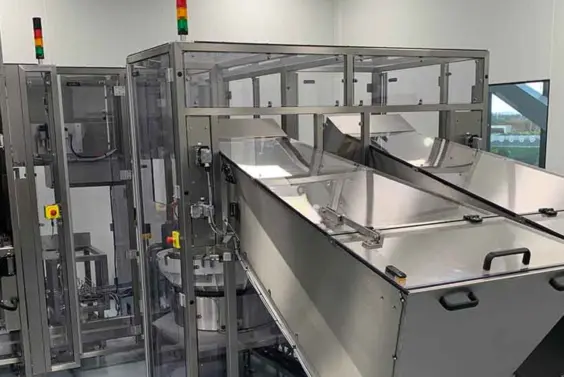
An innovative single-line platform to significantly reduce time-to-market for new medicines