A guide to CO2 emissions reduction in pharmaceutical packaging

Most industries around the world are under growing pressure to carry out emission reductions, and that’s no different in the pharmaceutical world. Pharmaceutical manufacturers are reducing CO2 emissions through packaging strategies and sustainable automation.
This article outlines the primary sources of CO2 emissions in pharmaceutical packaging and offers practical strategies for reducing CO2 emissions. We will also highlight the role of precision automation, including the PACE system, in minimising waste and lowering energy consumption.
Why CO2emissions in pharmaceutical packaging can be high
Pharmaceutical packaging must meet strict safety requirements to ensure the products are not damaged during transport. However, trying to meet these requirements can lead to an increase in CO2emissions. The key sources of carbon dioxide emissions are:
- Raw materials: Producing the materials needed for pharmaceutical packaging can require a lot of energy. This includes making plastic and glass bottles.
- Travel: Bulky or poorly designed packaging results in fewer products per shipment. This means more transport journeys are required, which naturally leads to higher mileage and more fuel usage.
- Transport conditions:Temperature-sensitive medicines, like vaccines, have to be kept chilled from factory to pharmacy. That cooling uses a lot of energy.
- Waste: Inefficient line changeovers or mis-sized packaging can result in a high volume of waste.
Understanding and analysing CO₂ sources is the first step towards reducing emissions.
Practical strategies forreducing CO₂ emissionsin pharmaceutical packaging
When it comes toemissions reduction, there is never a single solution. Often, it’s a cumulation of several strategies to tackle the CO2emissions at every stage of the process. Let’s take a look at the four key approaches that pharmaceutical companies should consider when formingCO2emissions reduction ideas.
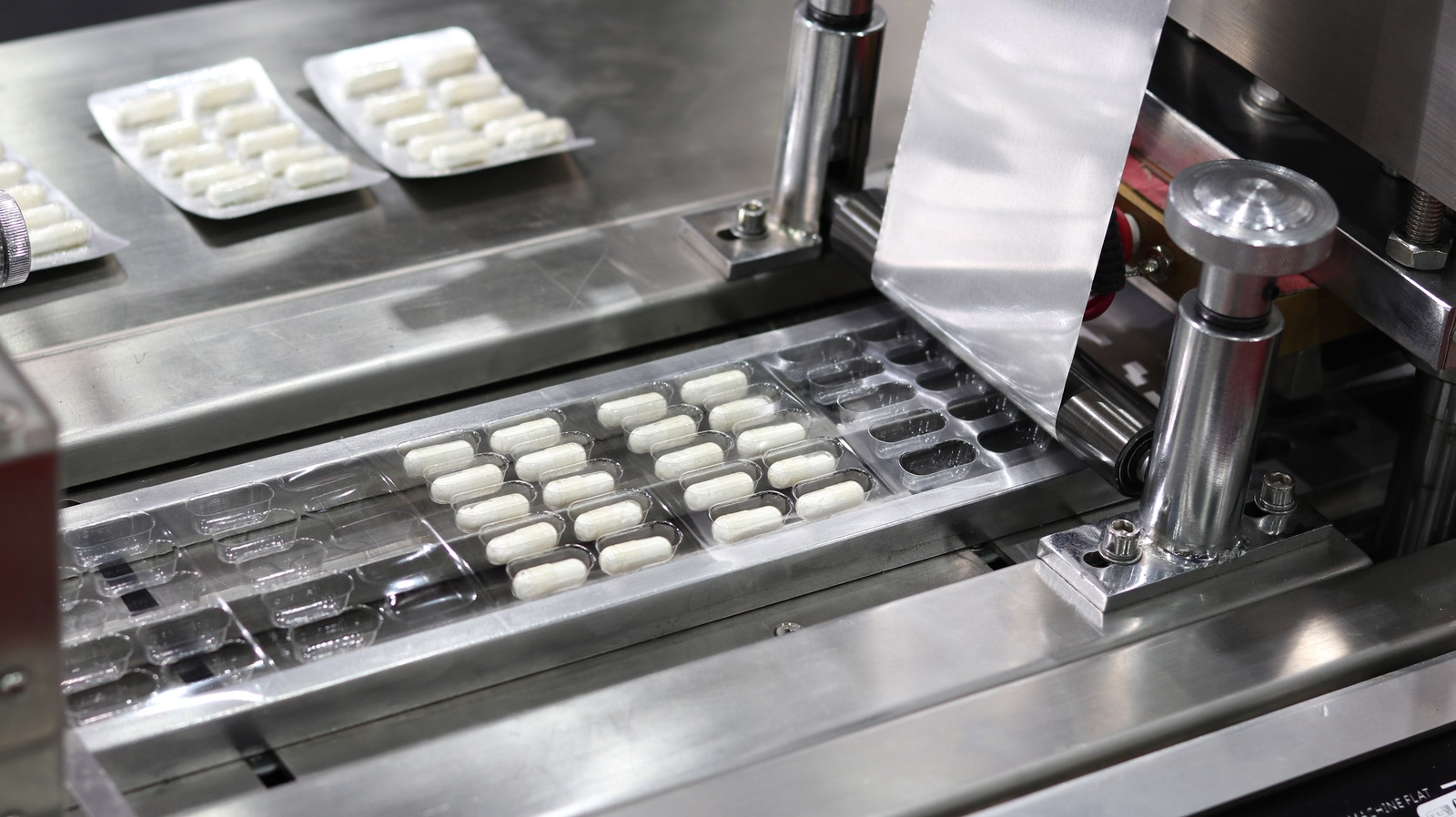
Lightweighting and material efficiency
Making a change by moving to lighter materials or reducing the thickness of packaging can significantly reduce raw material usage without compromising on vital factors such as safety. Businesses are changing to recyclable polymers, paper-based solutions, and innovative composites to balance performance with sustainability.
Packaging design optimisations
Even a small change in the package design can play a significant role inemissions reduction. This is because smaller, more efficient pack sizes reduce shipping volumes and warehouse space. In turn, this will lower energy consumption across the entire supply chain.
For example, optimised blister packs will reduce material use and transportation weight. It may also increase load efficiency, enabling a greater volume of products to be transported per shipment and thereby reducing the number of journeys required.
Cold chain improvements
Pharmaceutical companies must use cold chain packaging for medicines and vaccines that require it, but they can make it more efficient. Invest in greener fuels and renewable energy for vehicles transporting pharmaceuticals. Use high-performance insulation materials and reusable cold packs. Always use top-performing temperature monitoring systems to prevent issues and reduce waste.
Automation and precision engineering
Automation is a powerful tool for reducing CO₂ emissions in the pharmaceutical packaging industry. Advanced systems, such as the PACE (Pharmacy Automation for Clinical Efficiency), ensure emission reduction. By improving line efficiency, automation lowers energy consumption, minimising waste and CO₂ emissions.
Precision automation’s role inemissions reduction
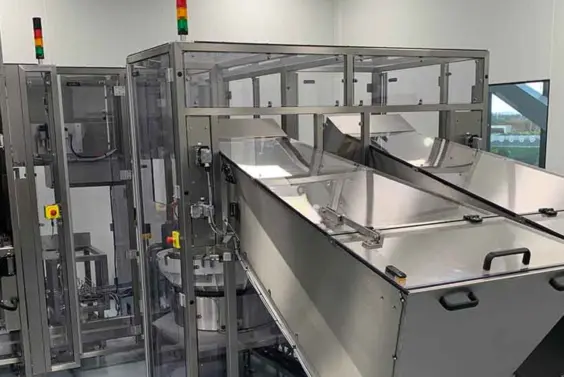
PACE (Pharmaceutical Automation for Clinical Efficiency) is an award-winning innovation project focused on developing new packaging technology to support the next generation of digital and automated GMP manufacturing. There are several advantages associated with this approach, each of which contributes directly to the reduction of CO₂ emissions.
The PACE system is built to support a true make-to-order supply model. Through Interactive Response Technology (IRT), investigators can request re-supply, triggering PACE to schedule, fill, and label each batch in-line all within hours. It is possible to run the process for one single bottle. This removes the waste and inefficiency of overproduction, as bulk stock is only held until a direct order is placed.
PACE enables the pharmaceutical industry to build a supply chain fit for the future because it transforms supply from months to days. It’s faster, more flexible, more productive, and more sustainable. This all helps reduce the costs and significantly lower CO₂ emissions.
The PACE system enhances accuracy for pharmaceutical manufacturing. PACE utilises advanced camera and sensor technology to validate each stage of the packaging process, ensuring error-free batch production and accurate, waste-free labelling. By preventing mistakes, it removes the need to reproduce entire batches, conserving both energy and materials.
Read thePACE case studyto discover all the benefits of the system.
Measurement, regulation, and building a competitive advantage
Reducing CO₂ emissions in pharmaceutical packaging isn’t just about being efficient and ticking a sustainability box. It’s now a business-critical priority. There are measurement tools, such as lifecycle analysis (LCA), that will identify “hotspots” across the entire packaging journey. This will cover the entire journey, from raw material extraction at the start of the process to the end-of-life disposal.
The data from the analysis allows manufacturers to establish benchmarks and track their progress. Doing so will help them demonstrate compliance with regulations. However, this only represents one aspect of why reducing CO₂ emissions is crucial in the pharmaceutical packaging industry.
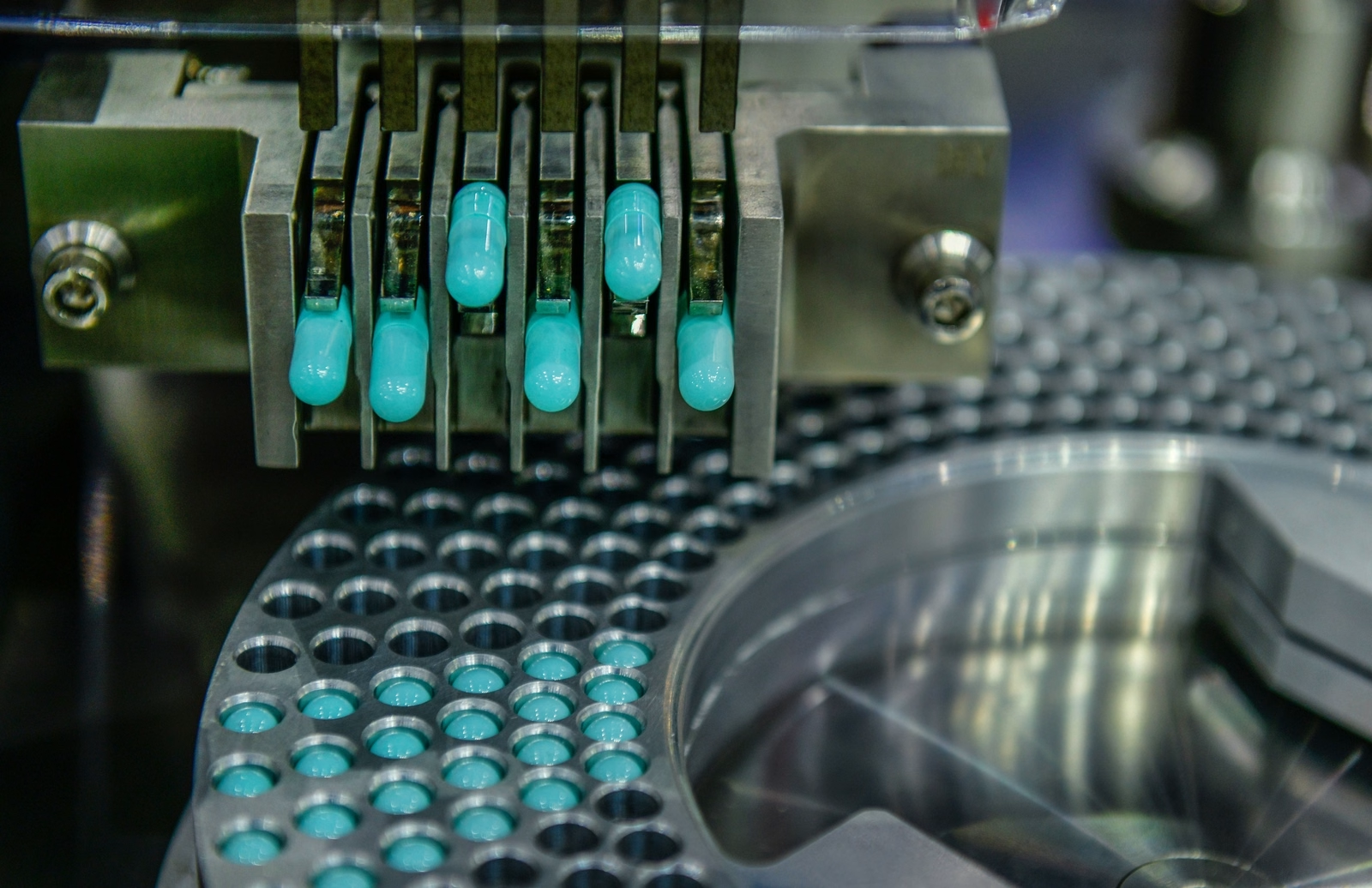
Forward-thinking pharmaceutical companies viewemissions reductionas a means to differentiate themselves in a competitive market. By showcasing improvements in sustainability, they may strengthen their case, giving them an advantage over others.
In short, CO₂ reduction is not just a sustainability goal. It is a strategic advantage to lead the pharmaceutical packaging industry.
ThePACEsystem is designed to be flexible and can be adapted to meet various pharmaceutical manufacturing requirements. Speak with one of our specialists to discover the potential of PACE for your business.Get in touchtoday.

Related news & insights
The conversation among manufacturers has moved on from, “should we automate?” to “how do we automate?” Darragh de Stonndún, CEO of Automated Industrial Robotics, says there’s a right and a wrong...
You might have heard of build-to-print manufacturing. Here’s a comprehensive guide on what it is, when to use it, and how it differs from build to spec.
An innovative single-line platform to significantly reduce time-to-market for new medicines