2019 Medical Device Manufacturing Trends

With every new year, comes a new medical device trend that seems to take the industry by storm – transforming the way the industry operates as a whole. And in 2019, things will be no different.
We expect huge changes and transformative trends in 2019 for the medical device manufacturing industry. Here, we’ll present a few of the most significant trends hitting the industry in 2019. Expect the following trends to disrupt your medical device manufacturing processes in 2019:
Stricter Regulations
In the past, the medical device manufacturing industry has been subject to a variety of regulations that were generally stricter in the U.S and not universally standardized. Now all that is changing. Generally, companies would first launch their medical device in the EU to build a case for FDA regulations. In 2019, that is sure to change.
In 2020, the new European Medical Device Regulation will go into effect. This regulation implements stricter standards than the current regulations (MDD and AIMDD). Although only approximately 10% of devices will be reclassified, the MDR still will require products to uphold new, stricter standards.
Along with the MDR having a great influence on 2019, the FDA is also enforcing stricter regulations. In March of 2019, the FDA is implementing ISO 13485:2016. This regulation will become the new standard for U.S. quality system legislation. This is an overall effort for the U.S. to become more compatible with medical device manufacturing international standards. ISO 13485:2016 was created to “take global harmonization of regulatory requirements in the medical device sector to the next level”, says the Wil Vargas, the Secretary of ISO/TC 210 and of the Associate for the Advancement of Medical Instrumentation.
Overall, in 2019, beware of stricter and more standardized regulations.

Medical Device Manufacturing Processes Will Diversify & Become More Efficient
In 2019, expect a diversified, more efficient industry. As healthcare companies grow, they will begin to shop around more, and competition will heat up. They have the time and resources to find the absolute best vendors. More and more companies are entering the market with different specialties and lower price ranges.
This means that medical device manufacturers need to be more efficient than ever – lowering their prices while still offering the highest quality products. Demand is expanding but so are healthcare companies. Medical device manufacturers need to be efficient while offering the absolute lowest prices on the market.
2019 will bring a rise in diversified and efficient manufacturing.
An Influx of Women & Veterans Within the Industry
Women and veterans are an untouched talent pool for the manufacturing industry.
According to Deloitte, as of 2016, the manufacturing workforce was made up of only 29% women. In 2019, the medical device industry is set to take advantage of this untouched talent pool. With manufacturing being one of the largest industries in the world, it’s growing increasingly unlikely that it can be filled by only 50% of the population. Medical device manufacturers are gearing up to take advantage of this strong pool of workers in the upcoming year.
As for veterans, they already hold a variety of skills necessary to get started in the medical device manufacturing industry. Veterans have worked in intensive team environments and are even, in some cases, already skilled in transportation and warehouse services, order processes, and a variety of other skills necessary for the manufacturing field.
Overall, in 2019, expect the medical device manufacturing workforce to expand and diversify.

Cloud-Based Solutions Are the Future
As we stated before, there is an overwhelming pressure for medical device manufacturers to decrease costs while simultaneously increasing efficiency with the end goal of improving patient care. Cutting costs while improving the patient experience is a difficult task and that’s why the industry is turning to cloud-based solutions.
Cloud-based systems are the future for the medical device manufacturing industry. Systems of this kind can save money, lower maintenance costs, have simple installations, and ultimately create more opportunities for connectivity within a facility and the industry as a whole.
These systems create a variety of opportunities for manufacturers and can give companies a head-start on the technological advancements expected to become the norm in the next few years. They’re the perfect solution to increase collaboration across any manufacturing business and are soon to become a standard.
Automated Medical Device Manufacturing
As the medical device manufacturing industry continues to expand at rapid rates, the need for automation is rising steeply. Manufacturers are trying to mass produce products that take immense detailed precision to produce individually.
In 2019, medical device manufacturers will begin to increasingly use automation to produce their products. Automation increases efficiency and cuts cost so companies can benefit immensely from this trend. Automated medical device manufacturers like Owens Design, a leader in this field, will make this possible in 2019.
Ultimately, the medical device manufacturing industry is in for a few dramatic shifts in the upcoming year. To get ahead of the game, make sure to get your products aligned with new regulations, diversify your company, reach out to women and veterans, and adopt cloud-based systems. Do this and you’ll be at an advantage as a medical device manufacturer in 2019.
For more information on how Owens Design is streamlining our medical device manufacturing processes and breaking barriers in the manufacturing industry, reach out to us today!
Contact us to learn more about custom automation solutions

Related news & insights
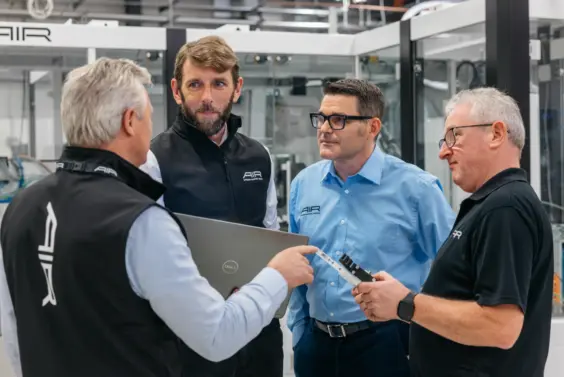
The conversation among manufacturers has moved on from, “should we automate?” to “how do we automate?” Darragh de Stonndún, CEO of Automated Industrial Robotics, says there’s a right and a wrong...
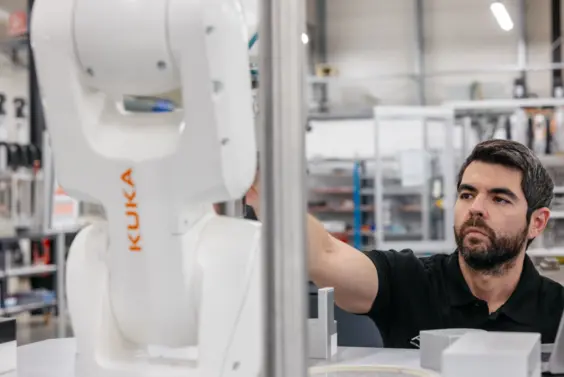
You might have heard of build-to-print manufacturing. Here’s a comprehensive guide on what it is, when to use it, and how it differs from build to spec.
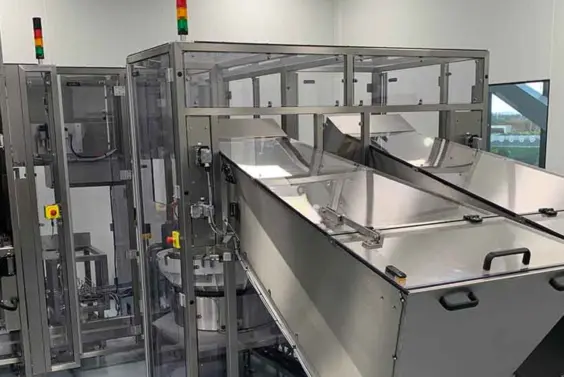
An innovative single-line platform to significantly reduce time-to-market for new medicines