Pharmaceutical manufacturing automation & streamlining drug production
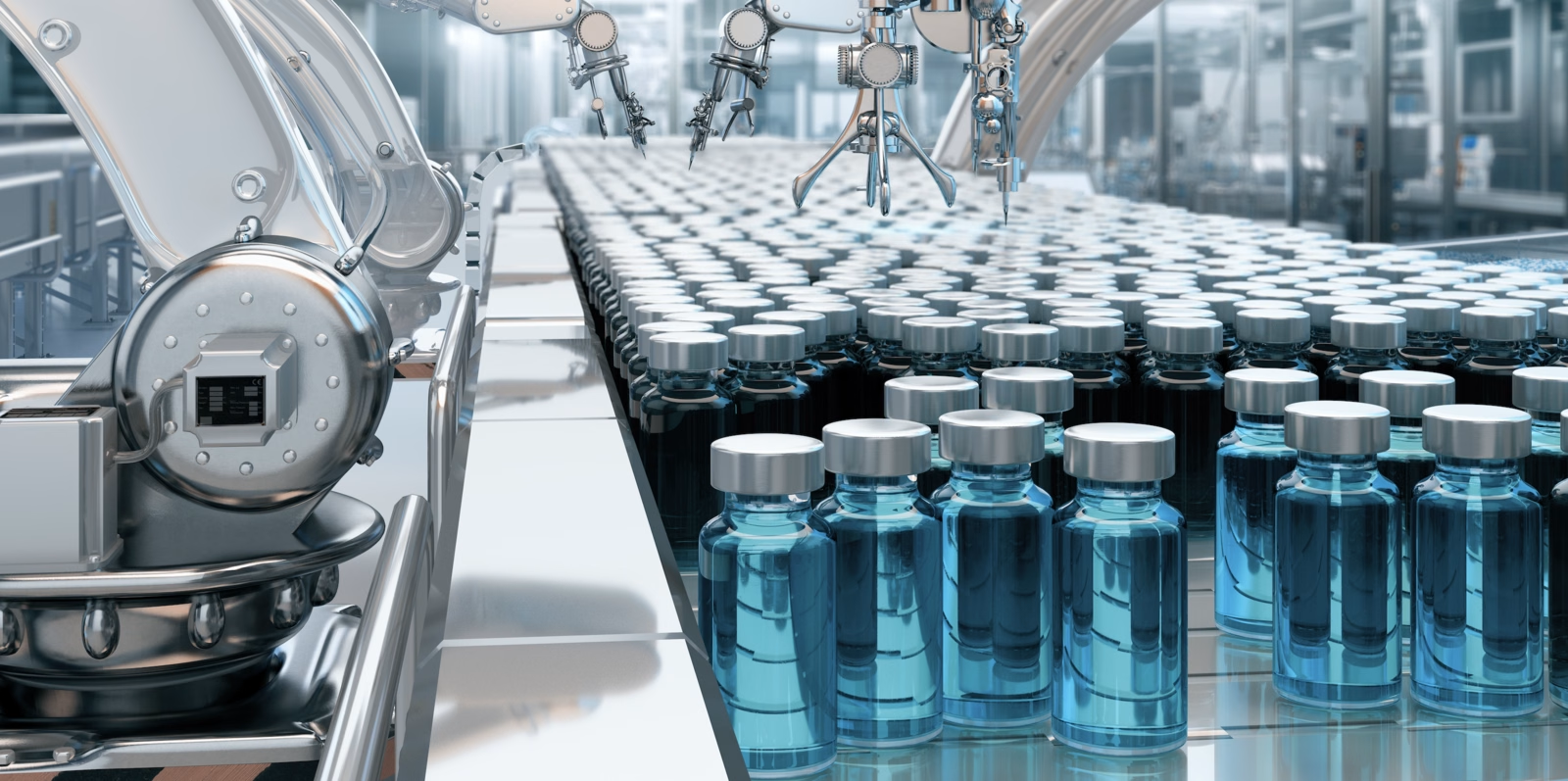
The requirements for automation within the pharmaceutical industry is becoming more prominent as the pressure to meet rising global demand while complying with regulatory frameworks increases.
Pharmaceutical companies can now lean on pharmaceutical manufacturing automation to ensure that product quality is a priority. With pharmacy automation solutions, the way drugs are being produced and packaged for the consumer is becoming more efficient and reliable. With this, human error decreases and quality control standards are adhered to.
Here, we’ll take a look at the key technologies responsible for this transformation within pharmacy automation and how emerging trends are moulding the pharmaceutical industry. We’ll discuss the obvious benefits of automation within the industry and how products are now being produced from raw material handling to final packaging, focusing on pharmacy automation solutions that are driving the positive change needed within the medical field.
Why is automation important in pharmaceutical manufacturing?
There are many benefits to pharmacy automation systems, including the precision, consistency and quality control that come with it. With that in mind, perhaps the most significant of benefits that automation can deliver is the reduction in human error. Non-compliance can cost businesses a huge amount of money and, of course, can compromise product safety.
Traditional methods still rely heavily on human input to complete tasks via advanced computer systems that have significantly advanced data management and process steps. In fact, an analysis in the AIR PACE Innovation project calculated that there are over 2,500 individual data points embedded in electronic documents with over 23 log-in screens.
But pharmacy automation is the solution to these problems, and with the use of pharmacy automation systems, the risks that come with repetitive and labour-intensive tasks are minimised. This will be vital in meeting Good Manufacturing Practice (GMP) standards and maintaining the integrity of every batch produced.
Additionally, the global pharmaceutical landscape has a growing demand for personalised medicine, shorter time-to-market expectations and increased scrutiny from regulatory bodies. With the use of pharmacy automation solutions, manufacturers don’t have to feel the pressure of needing to manufacture more in a shorter amount of time while sacrificing the quality of the product. It is evident that the need for investing in automation systems within the industry is growing.
Key technologies transforming drug production
So, what technology is being used to produce drugs more efficiently and to make this industry more reliable?
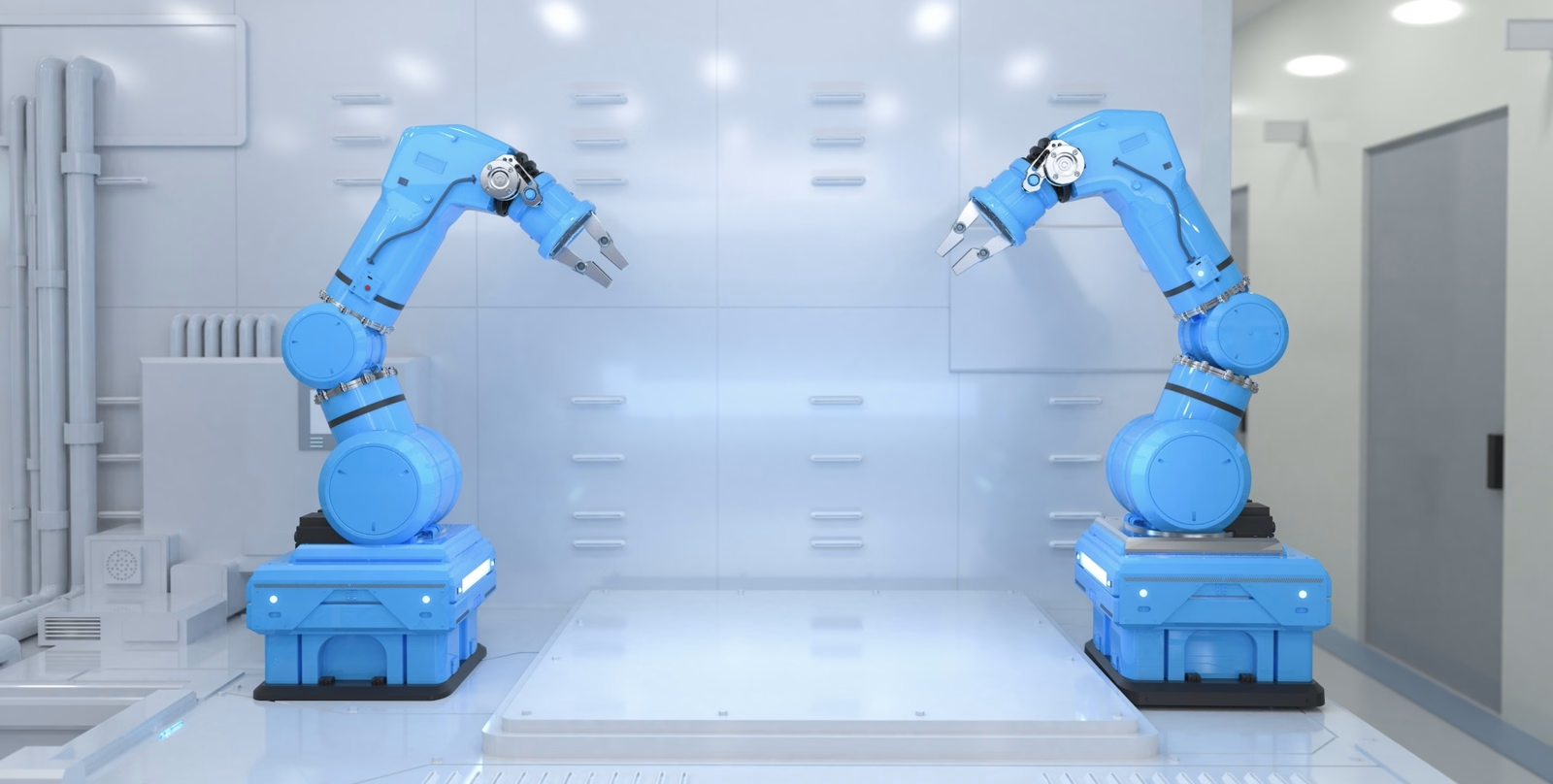
Medical device assembly automation
Some medical devices, such as pre-filled syringes, auto injectors and diagnostic kits, need to be assembled using delicate components and under sterile conditions. As one can imagine, doing so manually will not only slow down the manufacturing process but will also increase the risk of contamination. So, the risk of assembly errors and product rejection becomes high.
However, with pharmaceutical manufacturing automation, these risks are significantly reduced with the use of high-speed and high-precision systems. Defects are also easily spotted and addressed with integrated quality control, which automatically reduces the financial impact of waste and improves the reliability of products.
Automated packaging systems
Packaging is another crucial element to the safe handling and distribution of medical products because it ensures that items are protected and ready for safe usage. Initially, packaging required manual labour, but with the increase in automation systems, packaging medical products can now be done quickly and without human error.
With the use of pharmacy automation, the entire packaging process can be streamlined. Tasks like filling and sealing, labelling and cartoning (for various packaging formats like sachets and blister packs) and container handling are now done in a fraction of the time and with accuracy like no other. Find out more about our packaging automation offering.
Track & trace solutions
As manufacturers’ supply chains have become more complex, track & trace technology has become an incredibly important part of pharmaceutical manufacturing. While a manufacturer may need to know the origins of its raw material inputs from upstream, its downstream customers are just as likely to require the option to revisit when and where the product was made.
With legislation placing increasing demands on manufacturing companies to ensure detailed visibility is shared with each product being shipped, track and trace systems now play a massive part in identifying counterfeit drugs. This ensures the safety of consumers and patients alike.
This way, pharmaceutical companies are able to manage their supply chain more efficiently and are able to integrate these track and trace systems into Manufacturing Execution Systems (MES) and ERP platforms. With pharmacy automation solutions, manufacturers are also able to maintain a centralised and auditable record for each product. At Automated Industrial Robotics, we invent, design, manufacture, install and support track & trace systems for global blue-chip clients looking to boost operational efficiencies and aid compliance. Find out more about our track & trace system services.
Pharmacy automation in action: PACE
While the benefits of pharmacy automation are well understood and recognised, seeing them applied in the real world brings their value to life. At Automated Industrial Robotics, we collaborate with clients all around the globe, utilising efficient pharmaceutical automation systems, further demonstrating our commitment to bettering the production and distribution of medical products.
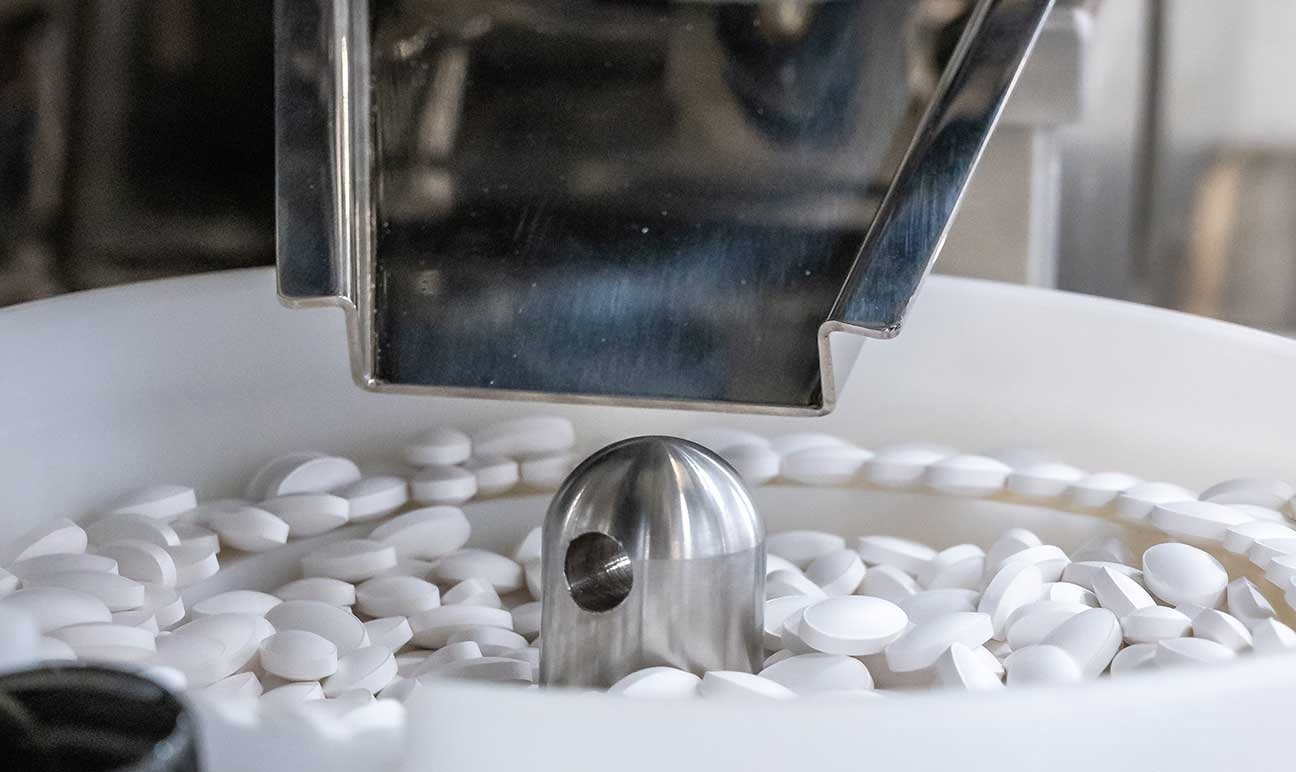
PACE – Pharmacy Automation for Clinical Efficiency
Our PACE platform is another golden nugget that adds to pharmaceutical manufacturing automation. It is a digitally enabled packaging line that is created specifically for the pharmaceutical supply chain.
Developed at CPI’s Medicines Manufacturing Innovation Centre, the PACE project brought together partners including AstraZeneca, GSK, Siemens, the National Physical Laboratory and Automated Industrial Robotics, with funding from Scottish Enterprise and UK Research and Innovation. This cross-sector collaboration saw experts from industry and academia working closely on the design, engineering and integration of the system.
Amongst the many benefits of using this system, there are a few of the most significant:
- Automated GMP-compliant bottle packaging line that accurately fills tablets and capsules with the exact quantities of drug compounds needed
- PACE is a modular system that enables products to be processed within the same facility
- Prevents cross-contamination and maintains separation and control.
Once filled and sealed, each bottle is tagged with a customised barcode, allowing for streamlined labelling and full traceability across the supply chain. A key feature of the platform is its real-time Qualified Person (QP) release dashboard, which supports automated batch review and Just-In-Time GMP batch certification.
So, with the combination of digital automation and its modular design, PACE provides an approach to the pharmaceutical industry that is future-proof and efficient, adhering to compliance and providing safe medical products for consumers.
The future of pharmaceutical manufacturing automation & drug production
It’s fair to say that robotics and automation are a part of the pharmaceutical industry’s future. Processes are being optimised, and quality control is now better than ever before, with machine learning algorithms now able to analyse production data in real time. Because of this, inefficiencies and discrepancies are highlighted more quickly than ever, and medical professionals are able to make informed decisions for the betterment of their patients.
Also, manufacturers can now simulate, test and refine production processes virtually with the use of digital twins before the implementation process. This means that humans can now work alongside cobots during high-risk tasks, too.
These trends point to a more connected, flexible and data-driven future for pharmaceutical manufacturing. If you are looking to embrace or further embrace pharmacy automation, we can help you. The PACE system is designed to be flexible and can be adapted to meet various pharmaceutical manufacturing requirements, so speak to one of our specialists and discover the potential of PACE for your business. Get in touch today.

Related news & insights

Discover how automation is revolutionising pet food packaging. Learn how AIR supports UK manufacturers with advanced packaging solutions.

Automated Industrial Robotics Inc. (“AIR” or the “Company”) is pleased to announce the acquisition of KAON Automation (“KAON”), an Ireland-based industrial automation company that delivers...

Discover how sustainable automation reduces carbon footprints in pharma manufacturing. Explore how AIR’s PACE system is a market leader.