More than just machines – putting people first is the key to modern manufacturing
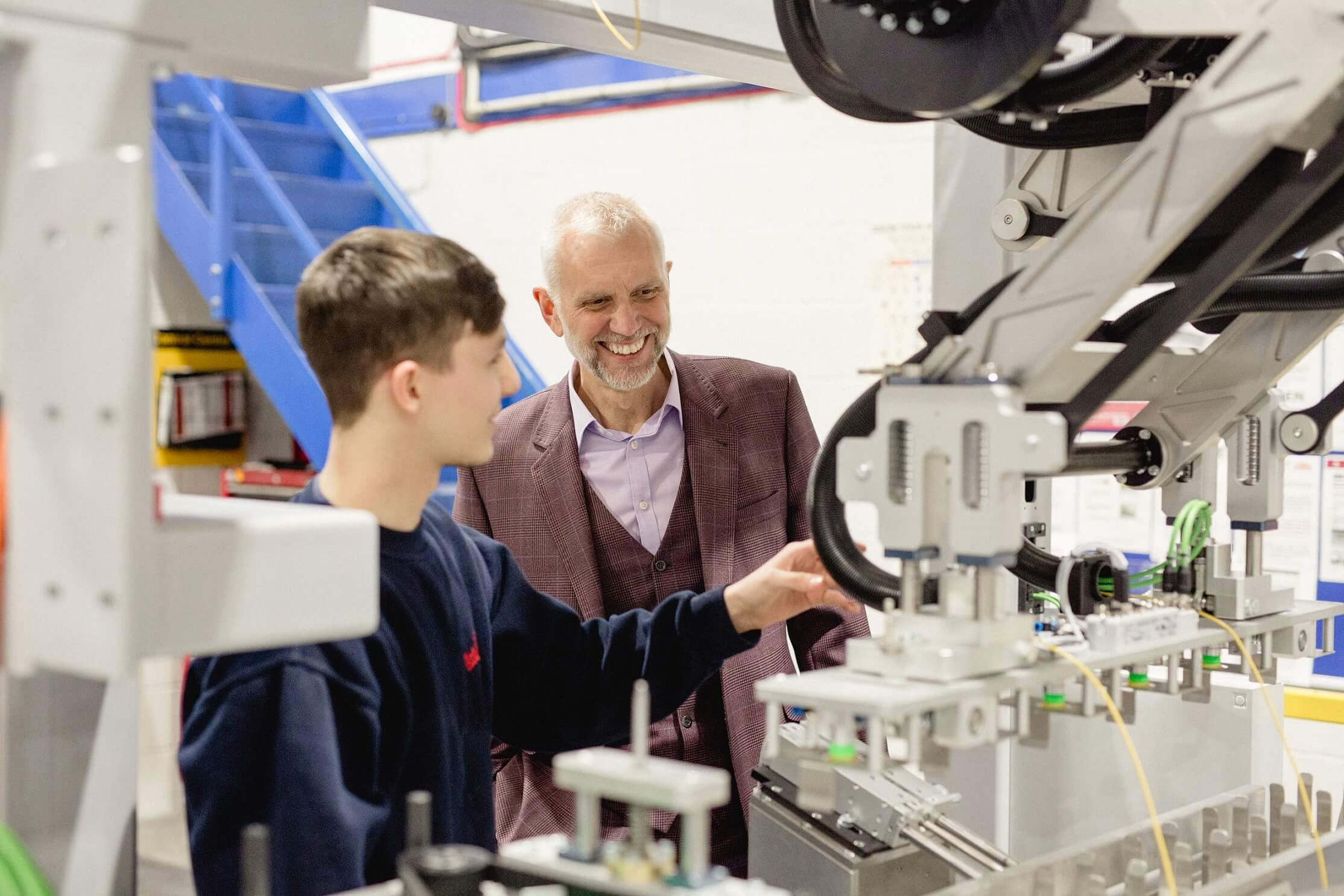
There is no denying the importance of manufacturing to the UK economy.
The sector provides 2.6 million jobs and accounts for 9 per cent of the UK’s total GDP, which is more than the financial services industry. If you include the manufacturing supply chain, these figures rise to 5 million jobs and 15 per cent of GDP.
It may come with a proud heritage built over centuries, but this is a progressive, forward-thinking sector on which so much of our economic value as a nation is placed. With the growth of the fourth industrial revolution and smart factories, disruptive technologies such as the Internet of Things, robotics, virtual reality and artificial intelligence are changing the way our factories operate.
As a result, we have access to more data than ever before, greater efficiencies and smarter working. Skilled operatives in factories across the UK use programming tools, computers and robots to perform tasks more quickly and more safely than ever before.
Why then, do so many people still see manufacturing as an old-fashioned sector which puts little emphasis on its people?
The truth is, people matter – and manufacturers are realising this. It doesn’t take a scientific study to show that happy, engaged employees perform better. But all too often manufacturing has fallen behind when it comes to the things that make a difference to workers: employee wellbeing, benefits, working environment, pay and pensions. However, progress is being made.
The widespread adoption of technologies like AI, VR and robotics shows that manufacturing and precision engineering really are progressive sectors and, increasingly, organisations are taking that same approach with their workforce too.
One study shows that manufacturers could increase their productivity by as much as 10 per cent if they invested greater resources in improving employee wellbeing, and Sewtec is amongst those leading the way.
We are an automation company that is putting people first, with a raft of initiatives at the cutting edge of employee engagement and wellbeing best practice.
Sewtec takes an open and inclusive approach to employee engagement and has initiatives including an open-door policy, regular ‘open floor’ sessions, ‘bright ideas’ scheme, company newsletter and family events.
We are champions of investing in people and have introduced leadership coaching, a new bonus scheme, health and death-in-service insurance, a health cash plan, employee referral scheme, ‘cycle to work’ scheme, increased pension contributions, employee appraisal framework and flexible working.
We’re not the only manufacturer to focus on our people, but it is indicative of the shift in attitudes that employee wellbeing in the manufacturing sector now goes well beyond statutory health and safety requirements.
Despite these efforts, the manufacturing skills gap remains, in fact research from the British Chamber of Commerce shows that 81 per cent of UK manufacturers find it difficult to hire employees with the right qualifications and experience.
Initial fears were that AI would reduce the number of manufacturing jobs, but it is becoming increasingly apparent that technology can be used to improve the performance of the human workforce, rather than replace it. With this reallocation of skills, one of the key issues is around educating young people and potential entrants on what attributes are needed.
Far from the old-fashioned misconception that manufacturing is uncreative, repetitive and unskilled, today’s manufacturers need employees with digital and programming skills, along with a deep understanding of automation and how to work with advanced machinery.
This means progressive firms like Sewtec are competing for talent against new sectors like digital industries and data analysis, which goes some way to highlight the importance of a people-first approach.
In this competition for talent, manufacturers are switching on to the fact that they must place the same emphasis on their people as other sectors. If they demonstrate the same level of innovation and commitment to people development that they do on technological development, then there is no reason why we can’t close the skills gap.
Find out more about the current vacancies at Sewtec over on our Careers page.

Related news & insights

Discover how automation is revolutionising pet food packaging. Learn how AIR supports UK manufacturers with advanced packaging solutions.
Automated Industrial Robotics Inc. (“AIR” or the “Company”) is pleased to announce the acquisition of KAON Automation (“KAON”), an Ireland-based industrial automation company that delivers...

Discover how sustainable automation reduces carbon footprints in pharma manufacturing. Explore how AIR’s PACE system is a market leader.